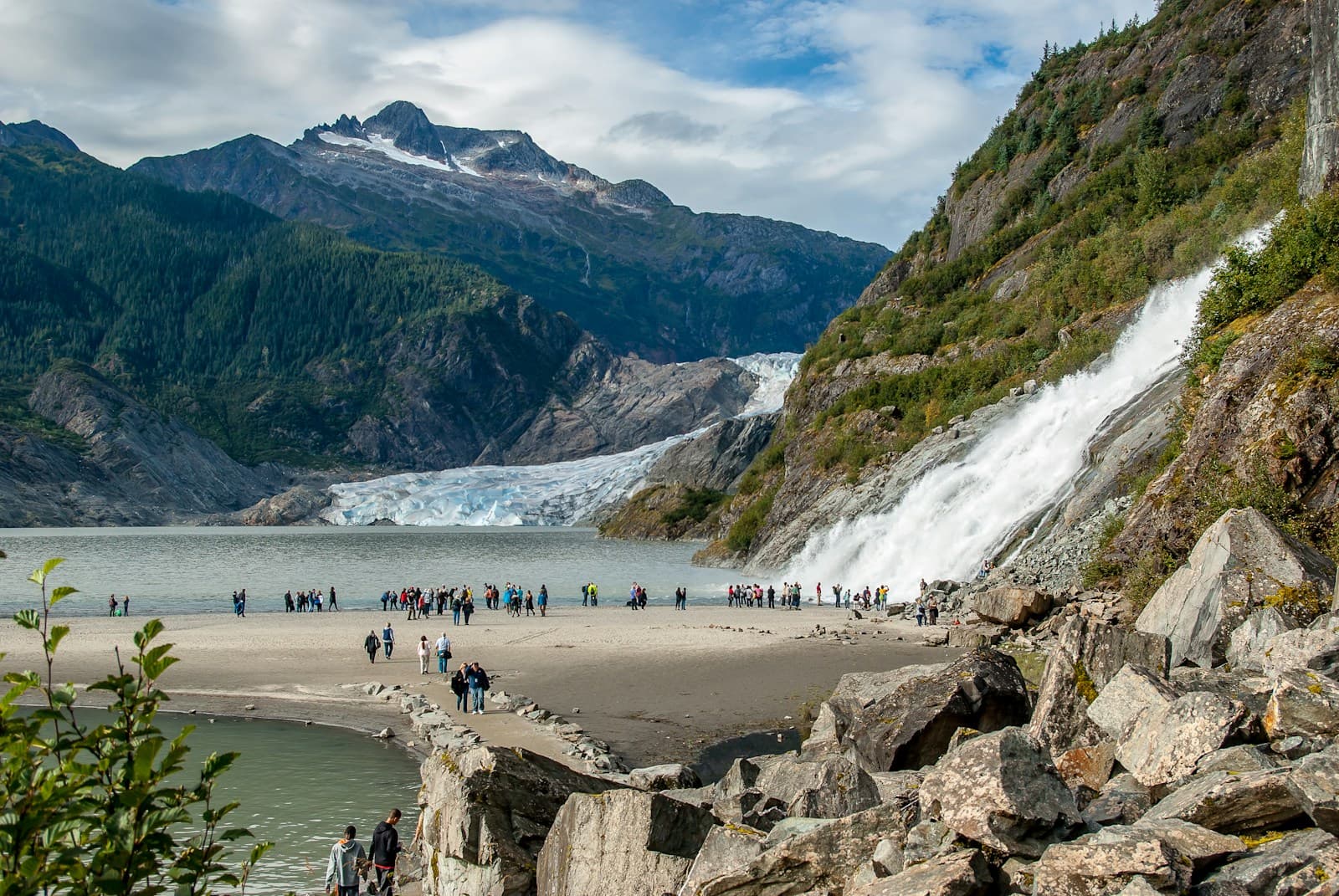
What Affects Rates in Juneau
- Juneau's road system ends at Echo Cove to the north and Thane Road to the south, creating a contained driving environment where teen speeds rarely exceed 55 mph and highway collision risk is structurally lower than in Anchorage or Fairbanks. Parents adding teens to policies here typically see smaller collision coverage premiums than in cities with freeway networks, though the limited escape routes during adverse weather create different risk patterns insurers account for in comprehensive pricing.
- Most Juneau teens drive Egan Drive daily to reach Juneau-Douglas High School near the bridge or Thunder Mountain High School in the Mendenhall Valley, creating concentrated traffic during 7:30–8:00 AM and 3:00–3:30 PM dismissal. This four-lane corridor handles the majority of teen commute risk in the capital city, with rear-end collisions at the Vintage Boulevard and Yandukin Drive intersections representing common claim scenarios that affect whether parents should prioritize higher collision deductibles to reduce premiums.
- Juneau teens drive to school in darkness from November through February, with sunrise after 8:30 AM in December, creating visibility challenges during morning commutes that don't affect southern Alaska cities as severely. Parents whose teens attend zero-period classes or early sports practices should verify their policy includes adequate uninsured motorist coverage, as winter darkness collision rates for young drivers increase in Juneau's condensed road system where wildlife encounters near Fish Creek and along Glacier Highway occur during typical school travel hours.
- Juneau averages over 60 inches of annual precipitation with rain possible every month, keeping roads consistently wet and creating hydroplaning risk that teen drivers in drier Alaska cities encounter less frequently. Comprehensive coverage becomes more relevant here for parents whose teens drive older vehicles prone to weather-related damage, as the persistent moisture accelerates rust and windshield pitting from road spray, while collision coverage value depends on whether the teen regularly navigates the steep residential streets above Gastineau Avenue where wet-road control matters more than speed.
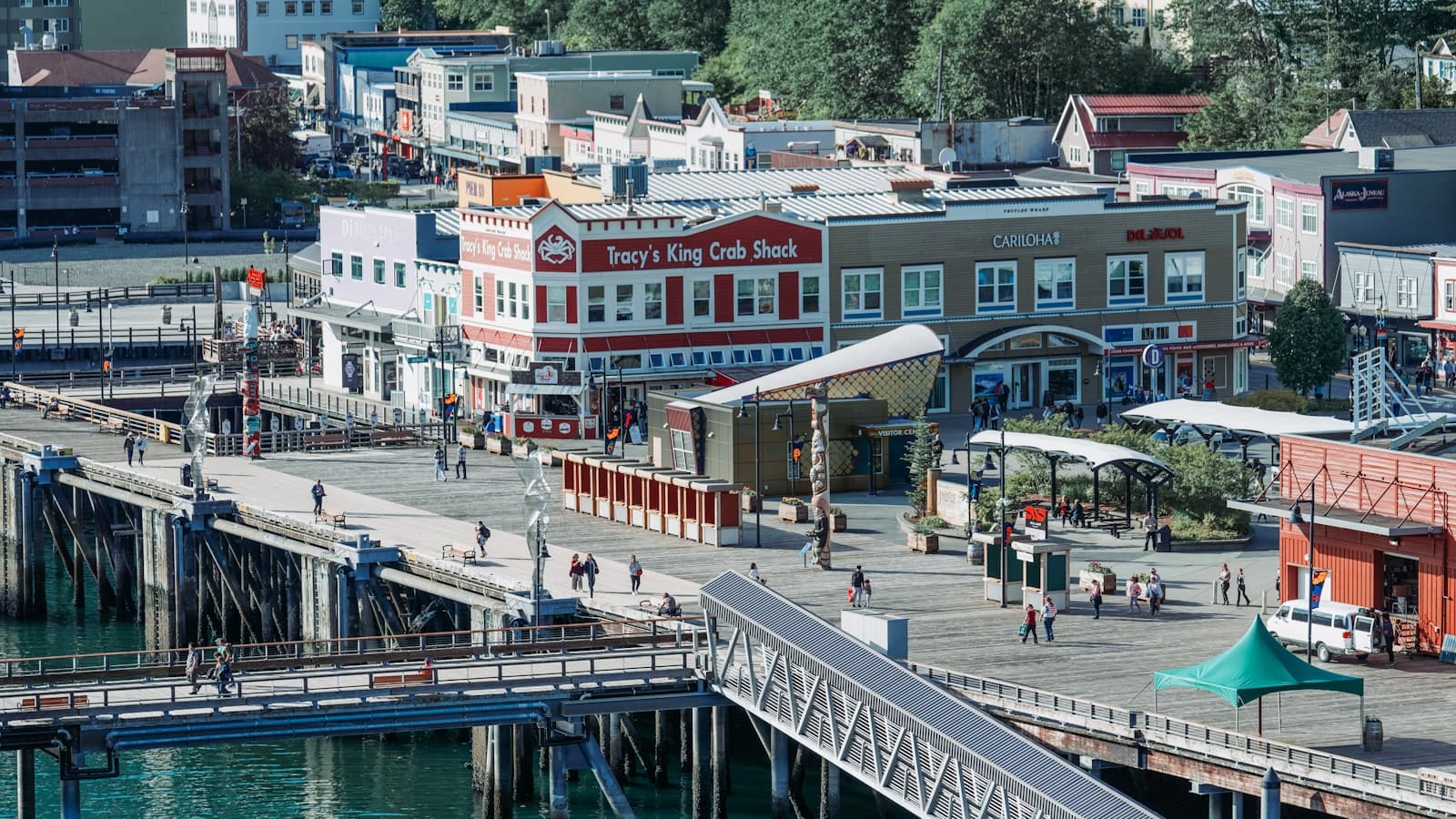
- Teen drivers working retail or food service jobs concentrate in the Mendenhall Valley near Fred Meyer and Nugget Mall or downtown near the cruise ship docks, creating predictable commute patterns insurers can assess more reliably than in sprawling suburban markets. Parents should confirm their policy covers the teen's vehicle use classification accurately—if your teen drives to a summer tourism job downtown during cruise season, the increased mileage and parking exposure in congested areas may require disclosure to avoid coverage gaps during the May–September employment period when claims frequency rises.
See what adding a teen driver actually costs in your state
Compare quotes from carriers that offer good student discounts — most parents find savings they didn't know were available.
Get Your Free QuoteCoverage Recommendations
Cost estimates are based on available industry data and vary by driver profile. These are not insurance quotes.
Liability Insurance
Juneau's narrow coastal roads and Egan Drive congestion during school hours create rear-end collision scenarios where higher liability limits (100/300/100) protect parent assets if your teen is at fault in the capital's condensed traffic patterns.
Moderate increase for higher limitsEstimated range only. Not a quote.
Collision Coverage
For teens driving older vehicles on Juneau's contained 40-mile road system where speeds rarely exceed 55 mph, a $1,000 deductible significantly reduces premiums while still covering damage from wet-road slides on steep residential streets above downtown.
Highest cost component for teen driversEstimated range only. Not a quote.
Comprehensive Coverage
Juneau's 60+ inches of annual precipitation and year-round moisture exposure make comprehensive coverage valuable even for older teen vehicles, as persistent rain accelerates windshield damage and rust while deer crossings near Fish Creek create wildlife strike risk during dark winter morning commutes.
Moderate cost, higher value in Juneau climateEstimated range only. Not a quote.
Uninsured Motorist Coverage
Alaska doesn't require uninsured motorist coverage but Juneau's winter darkness and wet roads increase collision risk during the school commute months when visibility is poorest—coverage that protects your teen when the at-fault driver can't pay becomes particularly relevant from November through February.
Low cost for significant protectionEstimated range only. Not a quote.
Medical Payments Coverage
Emergency response in Juneau routes to Bartlett Regional Hospital, but the island's isolation means airlift to Seattle for serious injuries—MedPay coverage of $5,000–$10,000 helps bridge costs while parents navigate claims if your teen is injured in a collision on Glacier Highway or the Juneau-Douglas Bridge.
Low cost for immediate medical accessEstimated range only. Not a quote.