What Affects Rates in Fairbanks
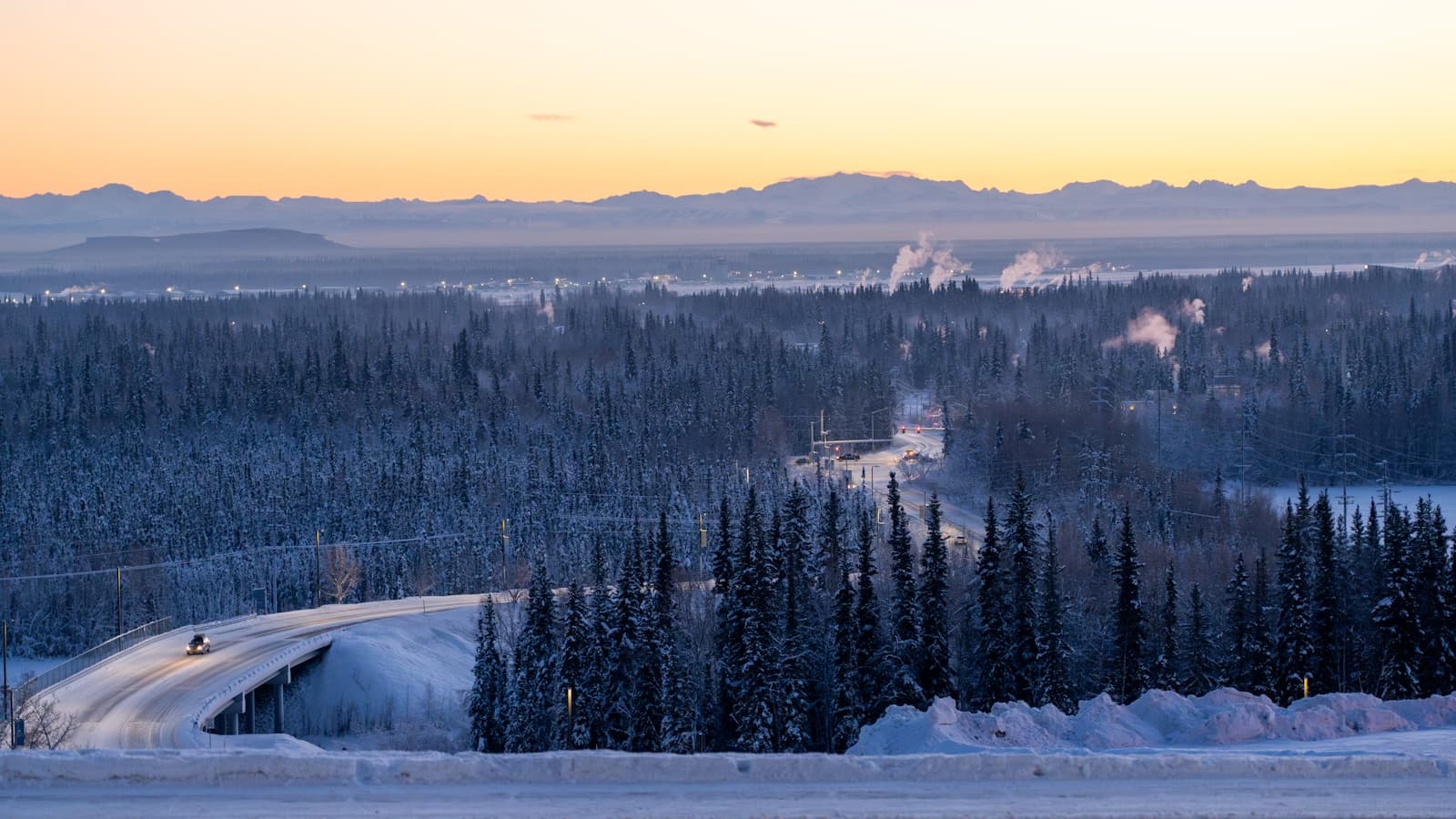
- Fairbanks teens drive on ice and snow from September through April, with temperatures reaching -40°F and below during peak winter months. First-year drivers learning to handle black ice on Steese Highway, University Avenue, and Johansen Expressway create higher collision risk than in milder Alaska markets. Parents often enroll teens in winter driving courses at local driving schools, which can qualify for defensive driver discounts of 5–15% with most carriers.
- Many Fairbanks-area teens commute from Ester, Fox, North Pole, and Salcha along Richardson Highway and Parks Highway, where speed limits reach 65 mph and wildlife crossings are frequent. These higher-speed rural roads increase collision severity compared to Anchorage's stop-and-go urban traffic, making the cost difference between 50/100/25 and 100/300/100 liability limits more significant for Fairbanks parents. Moose strikes on Chena Hot Springs Road and Farmers Loop Road are a documented risk for inexperienced drivers.
- Teens attending UAF often qualify for distant student discounts if living on campus without a vehicle, but many Fairbanks families keep students on the policy because off-campus housing in College and surrounding neighborhoods still requires winter driving. Parents should confirm with carriers whether a teen living in UAF dorms but keeping a car registered at the family home in North Pole or Goldstream Valley qualifies for the discount—some carriers require 100+ miles separation.
- Outside Fairbanks city limits in areas like Goldstream Valley, Two Rivers, and Chena Ridge, emergency response and towing can take 30–60 minutes in winter conditions. Parents adding teens who drive these routes often choose roadside assistance coverage and comprehensive with lower deductibles ($250–$500) to manage the cost of winter breakdowns, since a teen stranded at -30°F represents both a safety and financial risk.
- Lathrop High School, West Valley High School, and North Pole High School draw students from wide geographic areas, creating teen commute patterns along Badger Road, Old Richardson Highway, and Chena Hot Springs Road during peak darkness hours in winter. Parents whose teens drive to school before sunrise (common from November through January) face higher risk profiles, which some carriers account for in teen driver surcharges—this makes good student discounts and telematics programs particularly valuable for offsetting winter commute risk.
See what adding a teen driver actually costs in your state
Compare quotes from carriers that offer good student discounts — most parents find savings they didn't know were available.
Get Your Free QuoteCoverage Recommendations
Cost estimates are based on available industry data and vary by driver profile. These are not insurance quotes.
Liability Insurance
Fairbanks parents often choose 100/300/100 limits because rural highway crashes on Richardson Highway and Parks Highway at 65 mph can exceed minimum limits quickly, especially in multi-vehicle winter pileups.
$$Estimated range only. Not a quote.
Collision Coverage
Essential for Fairbanks teens driving icy roads from September through April—collision claims from black ice incidents on Steese Highway, Johansen Expressway, and University Avenue are common during first-year driving.
$$$Estimated range only. Not a quote.
Comprehensive Coverage
Moose strikes on Chena Hot Springs Road, Farmers Loop, and Old Richardson Highway are a documented risk for inexperienced Fairbanks drivers, and comprehensive covers the often-total-loss damage from wildlife collisions.
$$Estimated range only. Not a quote.
Uninsured Motorist Coverage
Alaska doesn't require uninsured motorist coverage, but Fairbanks parents add it because rural areas around North Pole, Salcha, and Two Rivers have higher rates of uninsured drivers than Anchorage's urban core.
$$Estimated range only. Not a quote.
Roadside Assistance
Critical for Fairbanks teens commuting from Goldstream Valley, Ester, or Fox in winter—towing from Chena Ridge or Two Rivers to a Fairbanks shop can cost $200–$400, and response times exceed 45 minutes at -30°F.
$Estimated range only. Not a quote.