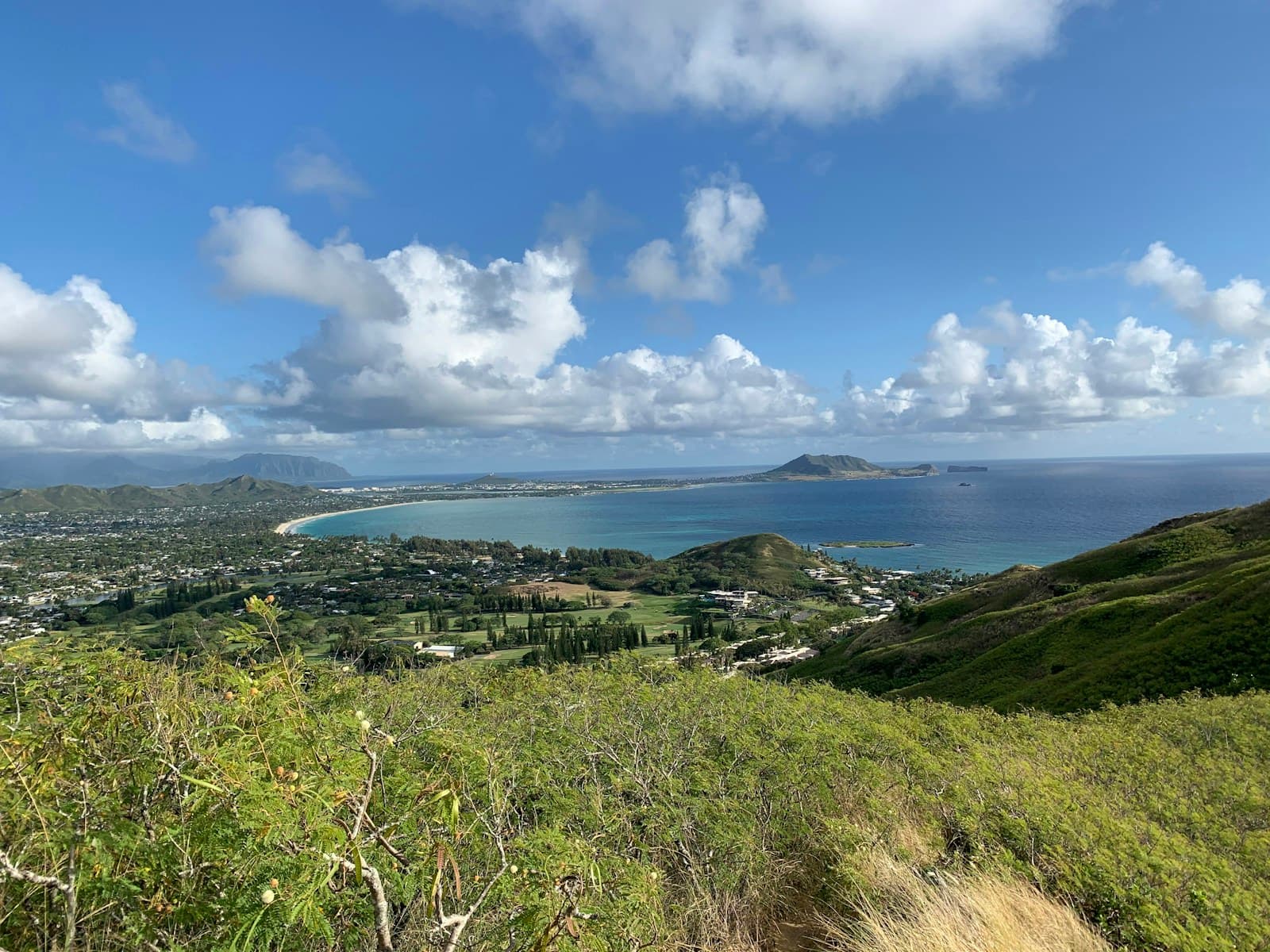
What Affects Rates in Kailua
- Most Kailua teens drive Kalanianaole Highway daily—a two-lane coastal road with 35–45 mph limits, tourist traffic near Lanikai, and beach parking conflicts at Kailua Beach Park. Morning and afternoon school traffic creates bottlenecks between Kailua High School and the Castle Junction intersection, where teens merge with commuters heading to Kaneohe Marine Corps Base. Parents should verify collision coverage deductibles account for the higher repair costs common in suburban rear-end and merging accidents on this corridor.
- Teens commuting from Kailua to Honolulu for work or University of Hawaii classes must navigate Pali Highway, which crosses the Koolau Range with sharp curves, sudden elevation changes, and frequent rain squalls that reduce visibility. The descent into Honolulu involves steep grades and tight turns where inexperienced drivers misjudge braking distance. Collision coverage becomes more valuable for Kailua teens making this commute regularly, as single-vehicle accidents on mountain passes often exceed comprehensive-only claims costs.
- Kailua receives significantly more rainfall than leeward Oahu, with sudden afternoon showers that create slick roads and reduced visibility for teen drivers unfamiliar with wet-weather braking. The combination of tropical downpours and oil buildup on suburban roads increases hydroplaning risk, particularly on Kalanianaole Highway's coastal sections. Parents adding teens to their policy should confirm comprehensive coverage includes weather-related claims, as Kailua's windward location makes these incidents more frequent than in drier Hawaii regions.
- Unlike Honolulu teens who may walk or bus to school, Kailua's suburban layout means most teens drive daily—to Kailua High School, Target Kailua for part-time jobs, or Windward Mall in Kaneohe. This higher annual mileage increases accident exposure compared to urban environments, making the add-to-parent-policy vs separate-policy decision more cost-sensitive. Telematics programs that reward low-mileage driving offer less value in Kailua, but good student discounts and driver training credits become essential cost-management tools.
- Kailua Beach Park and Lanikai Beach attract heavy weekend tourist traffic, creating congested parking lots where teen drivers navigate rental cars, pedestrians, and tight spaces. Minor parking lot collisions and door dings are common, making collision coverage with a manageable deductible worthwhile even for teens driving older vehicles. Parents should weigh whether a $500 deductible vs $1,000 deductible makes sense given the frequency of low-speed parking incidents in Kailua's beach corridors.
See what adding a teen driver actually costs in your state
Compare quotes from carriers that offer good student discounts — most parents find savings they didn't know were available.
Get Your Free QuoteCoverage Recommendations
Cost estimates are based on available industry data and vary by driver profile. These are not insurance quotes.
Liability Insurance
Kalanianaole Highway's tourist traffic and beach parking congestion mean Kailua teens risk multi-vehicle incidents where minimum limits may not cover all damages.
State minimum requiredEstimated range only. Not a quote.
Collision Coverage
Pali Highway's mountain curves and wet windward road conditions make collision coverage a practical choice even for teens driving older paid-off vehicles in Kailua.
Higher cost, higher valueEstimated range only. Not a quote.
Comprehensive Coverage
Kailua's frequent rain squalls and coastal salt exposure create comprehensive claims for windshield damage and paint corrosion that suburban Honolulu doesn't see as often.
Moderate costEstimated range only. Not a quote.
Uninsured Motorist Coverage
Beach corridor traffic in Kailua brings rental cars and visitors who may carry inadequate coverage, making uninsured motorist protection worth considering.
Optional, moderate costEstimated range only. Not a quote.