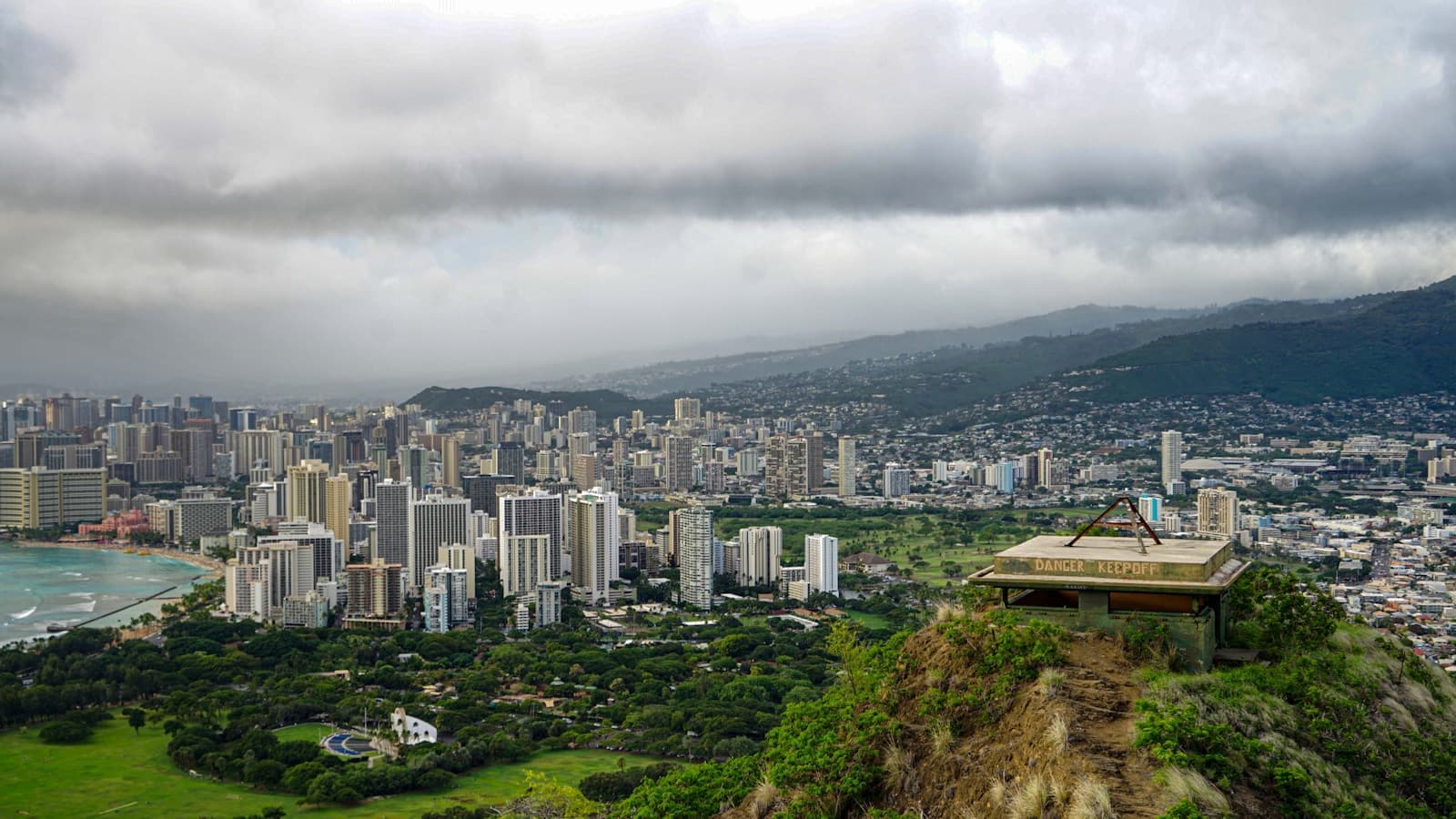
What Affects Rates in Honolulu
- Teen drivers commuting during morning and afternoon peaks between Pearl City and downtown Honolulu navigate some of the state's densest traffic. Rear-end collisions spike on the H-1 Ewa-bound and town-bound corridors during school hours, making collision coverage essential even for teens driving older vehicles. Parents whose teens regularly use the H-1 for school or work should expect higher collision premiums than suburban families.
- Waikiki, Ala Moana, and downtown Honolulu see constant pedestrian and rental car traffic, increasing distraction and accident risk for inexperienced drivers. Teen drivers working retail or food service jobs in these corridors face higher liability exposure from parking lot incidents and pedestrian interactions. Urban parking density also raises comprehensive claims for door dings and minor collision damage.
- High schools clustered in Makiki, Kaimuki, and Manoa draw teen commuters from across the island, creating concentrated morning traffic on Punahou Street, Kapiolani Boulevard, and King Street. Teen drivers navigating these narrow, congestion-prone roads during rush hours have higher accident rates than those attending neighborhood schools within walking distance. Parents should verify whether their teen's parking situation at school increases theft or vandalism risk, which drives comprehensive premiums.
- Unlike suburban markets with multiple route options, Honolulu teens often have only one viable commute path, forcing them onto the same congested corridors daily. This repetitive exposure to H-1 gridlock and surface street congestion increases cumulative accident risk compared to teens in less dense areas. Parents cannot reduce teen driving exposure by choosing alternate routes, making telematics programs that reward off-peak driving especially valuable.
- Honolulu's frequent afternoon rain showers create slick roads in Manoa, Nuuanu Valley, and Makiki, where inexperienced teen drivers often misjudge stopping distances. Flash flooding in low-lying areas near Ala Wai Canal and along Nimitz Highway poses hydroplaning risk during heavy downpours, making comprehensive coverage important for parents whose teens drive in these flood-prone zones. Unlike rural Hawaii, urban runoff concentrates quickly, creating sudden hazards.
See what adding a teen driver actually costs in your state
Compare quotes from carriers that offer good student discounts — most parents find savings they didn't know were available.
Get Your Free QuoteCoverage Recommendations
Cost estimates are based on available industry data and vary by driver profile. These are not insurance quotes.
Liability Insurance
Essential for Honolulu teens navigating Waikiki pedestrian zones and congested Ala Moana shopping areas where distraction-related incidents are common.
Required — premiums reflect urban accident frequencyEstimated range only. Not a quote.
Collision Coverage
Critical for teens commuting on the H-1 where rear-end collisions spike during rush hour, even if driving an older paid-off vehicle.
Higher premiums in Honolulu vs suburban areasEstimated range only. Not a quote.
Comprehensive Coverage
Important for teens parking at Ala Moana Center, Waikiki job sites, or school lots in Makiki where door dings and minor vandalism are frequent.
Moderate — urban parking risk drives claimsEstimated range only. Not a quote.
Uninsured Motorist Coverage
Recommended in Honolulu where tourist rental drivers and high vehicle turnover increase the likelihood of underinsured at-fault parties.
Moderate add-on cost, high value in urban areasEstimated range only. Not a quote.