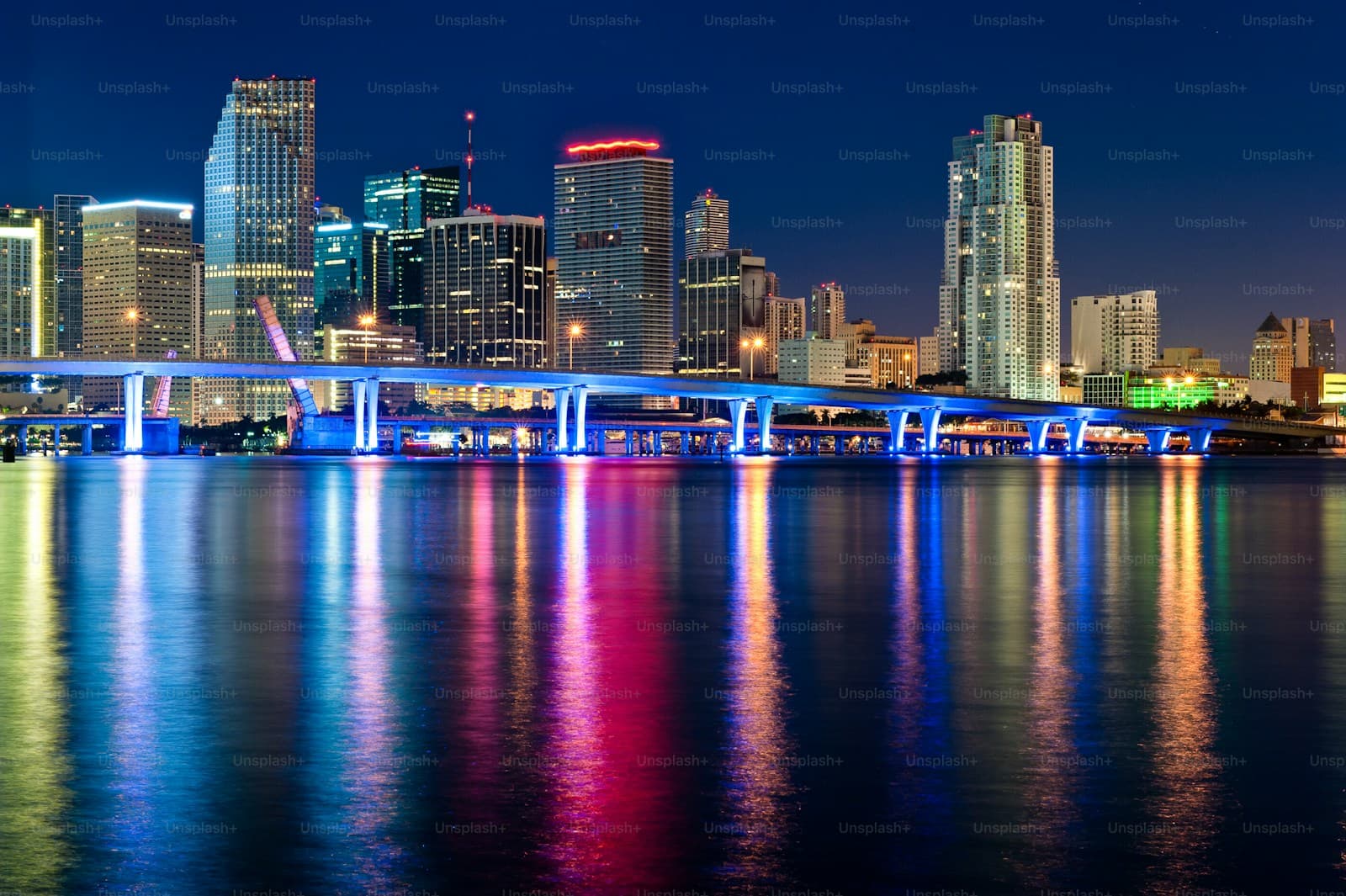
What Affects Rates in Jacksonville
- Teens attending schools in Mandarin, Southside, or beaches areas frequently use I-95 segments with merging traffic from Butler Boulevard and J. Turner Butler, where speed differentials and lane changes create elevated accident risk for inexperienced drivers. Parents should verify their teen has completed at least 10 hours of highway driving practice before solo commutes on these routes, as insurers treating I-95 accidents during the learner's permit phase may deny claims if GDL restrictions were violated.
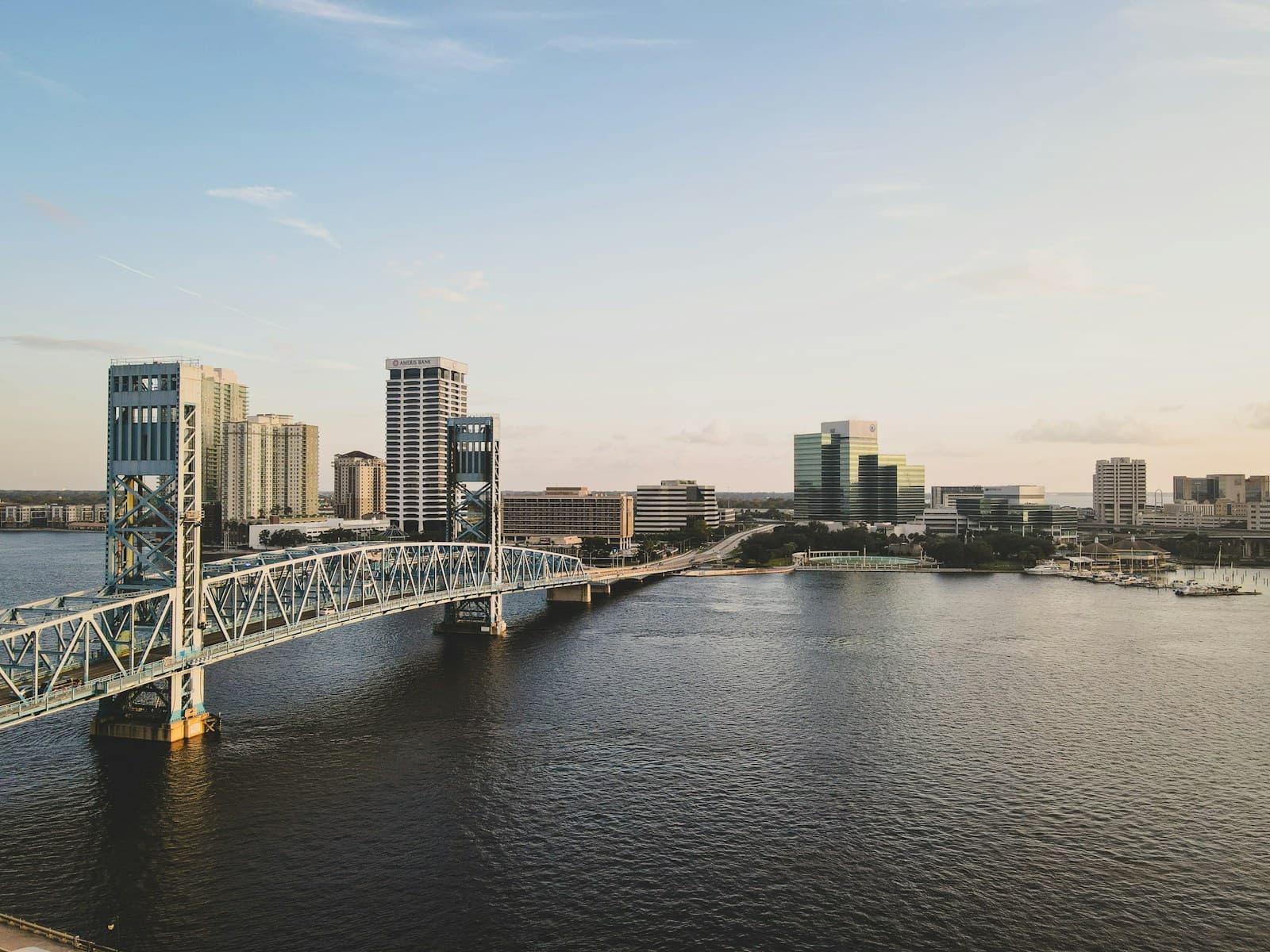
- The Hart Bridge, Main Street Bridge, and Acosta Bridge connect Riverside, San Marco, and Arlington neighborhoods, creating bottleneck merge points where teen drivers face sudden stops and aggressive lane changes during school commute hours. Collision coverage becomes particularly valuable for parents whose teens cross the St. Johns River daily, as bridge-related fender benders in stop-and-go traffic are common first-year incidents that would otherwise require out-of-pocket repairs.
- Atlantic Beach, Neptune Beach, and Jacksonville Beach generate heavy teen employment traffic along Beach Boulevard and Third Street, where angled parking, pedestrian crossings near Town Center, and tourist congestion in summer months create frequent low-speed collision scenarios. Comprehensive coverage addresses the parking lot door dings and shopping cart damage common in these areas, though parents with older vehicles may opt to carry only liability if the teen's car value is under $4,000.
- Fleming Island, Oakleaf, and Julington Creek teens often drive 15–25 miles to Mandarin or Southside high schools via County Road 210 and I-295, accumulating higher annual mileage than urban-core families and increasing accident probability actuarially. Telematics programs that monitor speed and braking patterns on these longer commutes can reduce premiums by 15–30% if your teen demonstrates safe highway driving habits consistently over the first six months.
- Jacksonville's June–September afternoon thunderstorms dump intense rainfall that pools on Baymeadows Road, Southside Boulevard, and other flat commercial corridors, creating hydroplaning conditions that inexperienced teen drivers may not recognize until traction is lost. Parents should prioritize behind-the-wheel training in wet conditions and verify their policy includes collision coverage, as single-vehicle wet-road accidents are the most common claim type for Jacksonville teens during their first summer of independent driving.
See what adding a teen driver actually costs in your state
Compare quotes from carriers that offer good student discounts — most parents find savings they didn't know were available.
Get Your Free QuoteCoverage Recommendations
Cost estimates are based on available industry data and vary by driver profile. These are not insurance quotes.
Liability Insurance
Jacksonville's busy I-95 and Beach Boulevard corridors mean multi-car pileups can generate six-figure injury claims, making 100/300/100 limits a practical choice for parents adding teens to policies that include home equity or retirement assets.
Required; higher limits add $20–$40/moEstimated range only. Not a quote.
Collision Coverage
Hart Bridge and Main Street Bridge merge zones produce frequent low-speed rear-end collisions during morning commutes, making collision coverage valuable for parents whose teens drive across the St. Johns River daily to Riverside or San Marco schools.
$150–$300/mo for teen driversEstimated range only. Not a quote.
Comprehensive Coverage
Jacksonville Beach and Town Center parking lots see elevated rates of door dings and shopping cart damage during summer tourist months, while afternoon thunderstorms create hail and flood risk for vehicles parked at Mandarin and Southside high schools.
$40–$80/mo for teen driversEstimated range only. Not a quote.
Uninsured Motorist Coverage
Florida's high uninsured driver rate and Jacksonville's I-10 West corridor, where hit-and-run accidents occur more frequently, make uninsured motorist coverage a practical addition for parents worried about out-of-pocket costs from an at-fault uninsured driver.
$15–$35/mo added costEstimated range only. Not a quote.
Medical Payments Coverage
Supplementing Florida's PIP requirement with medical payments coverage can be useful for parents whose teens frequently carpool along Baymeadows or Southside routes, as PIP's $10,000 limit may not cover all injuries in a serious multi-occupant crash.
$10–$25/mo for $5,000 coverageEstimated range only. Not a quote.