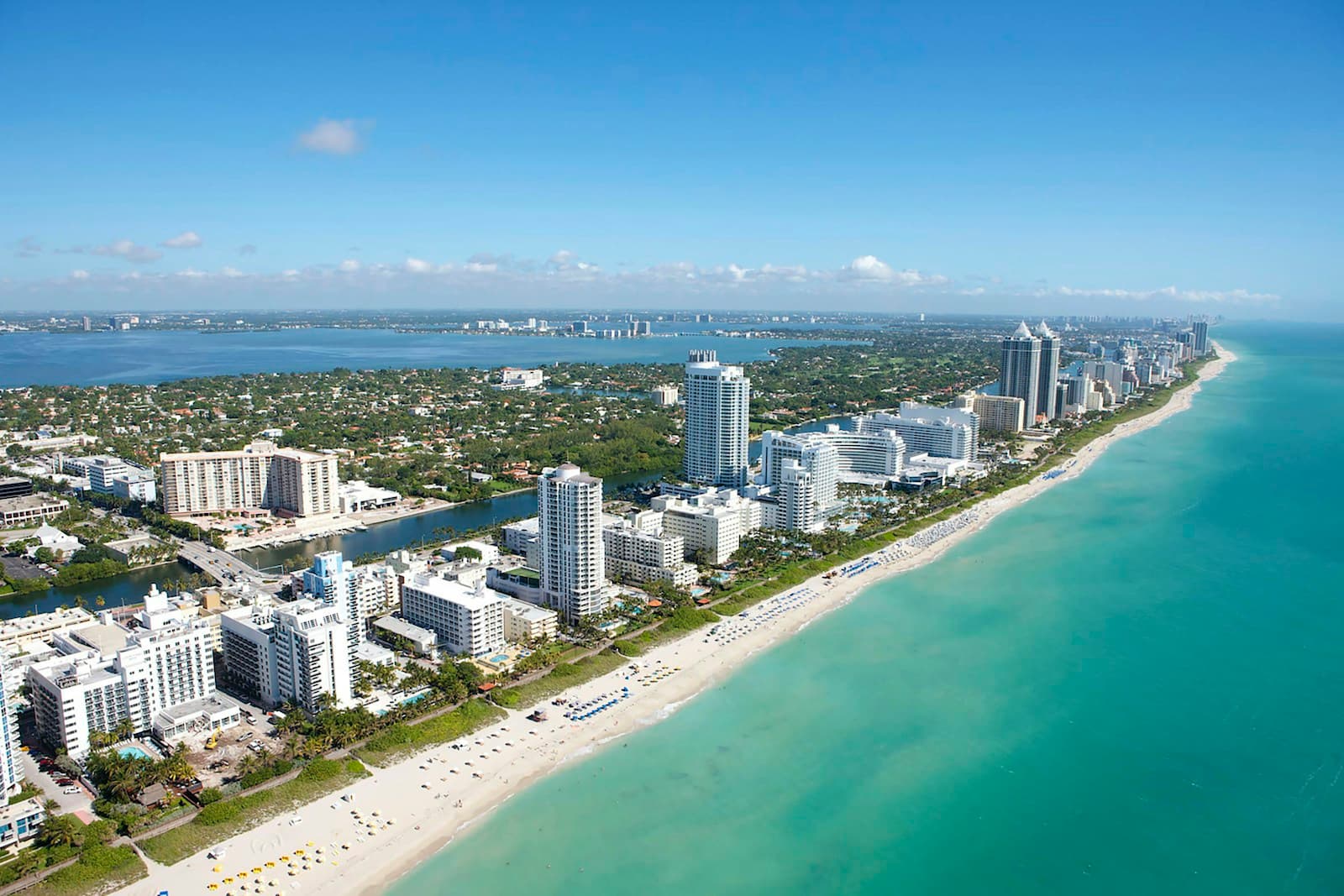
Minimum Coverage Requirements in Florida
Florida requires all drivers to carry $10,000 in Personal Injury Protection (PIP) and $10,000 in Property Damage Liability (PDL) — notably, the state does not mandate bodily injury liability coverage, though most insurers and lenders require it. Teen drivers in Florida progress through a graduated licensing system: learner's permit at 15, intermediate license at 16 with nighttime driving restrictions (11 p.m.–6 a.m. curfew for the first three months, then 1 a.m.–5 a.m.), and unrestricted license at 18. Florida law mandates that all insurers offer good student discounts to drivers under 25 who maintain at least a B average, making this one of the most valuable cost-reduction tools for parents adding a teen driver.

Meeting the state minimum keeps you legal. See whether it's enough — get your Florida quote.
Get your Florida quoteHow Much Does Car Insurance Cost in Florida?
Teen driver insurance in Florida is expensive because young drivers — particularly those aged 16–17 — have crash rates more than double those of drivers over 25, and Florida's high uninsured motorist rate and no-fault PIP system drive base premiums higher statewide. Parents adding a teen to their existing policy typically see rate increases of $250–$450/mo for full coverage, though rates vary significantly by the teen's age, the vehicle they drive, and whether they qualify for good student or telematics discounts.
What Affects Your Rate
- Good student discount (mandatory in Florida): Drivers under 25 maintaining a B average or higher qualify for 10–25% off premiums. This is the single highest-value discount for most families and is legally required by all Florida insurers.
- Telematics programs: Insurers including Progressive, State Farm, and Geico offer usage-based insurance programs that monitor braking, speed, and mileage. Safe-driving teen drivers can earn 15–30% discounts, and programs are particularly effective for parents who want real-time feedback on their teen's driving habits.
- Vehicle type and age: Insuring a teen on an older, paid-off sedan with strong safety ratings costs significantly less than adding them to a newer SUV or sports car. Parents often see 20–40% lower premiums by assigning the teen to the least expensive vehicle on the policy.
- Completion of driver training: Florida-approved driver education courses (including Traffic Law & Substance Abuse Education and Behind-the-Wheel training) can qualify teens for 5–15% discounts depending on the insurer. Some carriers require course completion for coverage of drivers under 18.
- Add-to-parent vs. separate policy: Adding a teen to a parent's existing multi-car, multi-driver policy almost always costs less than getting the teen a standalone policy. Standalone policies for 16–17-year-olds in Florida can exceed $600–$800/mo for full coverage, while adding the same teen to a parent's policy typically costs $300–$500/mo.
- Multi-policy bundling: Parents who bundle auto and homeowners or renters insurance often receive 15–25% discounts, and these savings apply to the entire household policy — including the added teen driver.
See what adding a teen driver actually costs in your state
Compare quotes from carriers that offer good student discounts — most parents find savings they didn't know were available.
Get Your Free QuoteCoverage Types
Liability Insurance (PIP + PDL + Bodily Injury)
Covers injuries and property damage your teen causes to others, plus your own medical expenses under Florida's no-fault PIP system. The foundation of every policy.
Uninsured Motorist Coverage
Protects your teen if they're injured by a driver with no insurance or insufficient coverage — a common scenario in Florida.
Collision Coverage
Pays to repair or replace your teen's vehicle after a crash, regardless of who was at fault. Required by lenders if the vehicle is financed.
Comprehensive Coverage
Covers non-crash damage to your teen's vehicle: theft, vandalism, weather damage, animal strikes, falling objects.
Full Coverage (Liability + Collision + Comprehensive)
The complete package: liability to cover others, collision and comprehensive to cover your teen's vehicle, plus PIP and uninsured motorist protection.
Good Student Discount
Florida law requires all insurers to offer discounts to drivers under 25 who maintain at least a B average (3.0 GPA). The discount applies to all coverages and typically saves 10–25% on the teen driver portion of the premium.