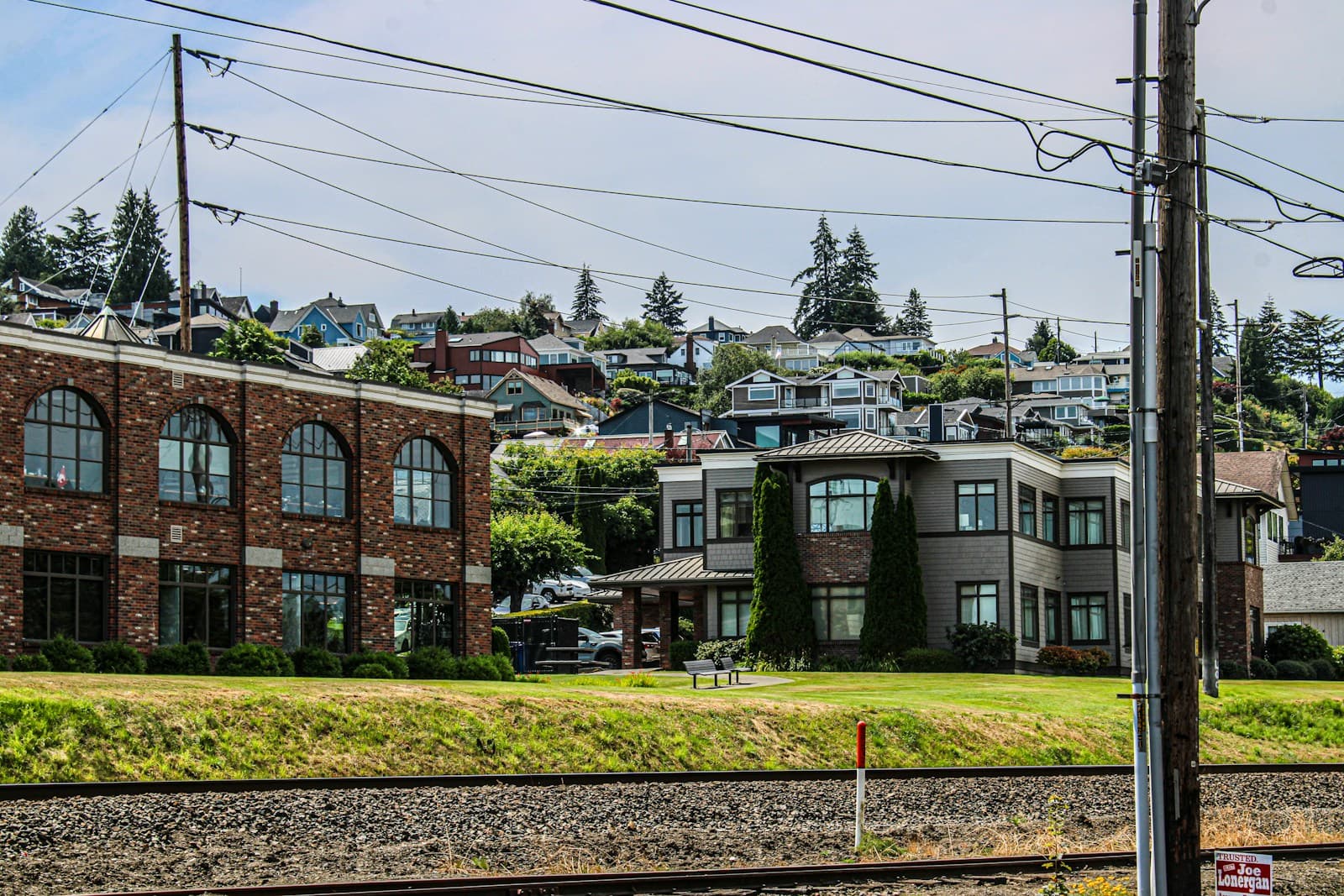
What Affects Rates in Tacoma
- Teen drivers commuting to Stadium, Lincoln, or Wilson high schools via I-5 or accessing part-time work near Tacoma Mall face stop-and-go traffic on the 38th Street, South 56th Street, and South 72nd Street interchanges where rear-end collision rates peak during morning and afternoon school hours. Parents should evaluate whether collision coverage on an older vehicle justifies premiums when a teen regularly navigates these congestion points, as even minor merging errors in these corridors result in frequent claims that drive up future rates.
- Tacoma's steep residential streets connecting North End neighborhoods to Stadium High School and downtown become particularly hazardous for teen drivers during winter rain and occasional ice events—North Yakima Avenue, North K Street, and the hills descending from Point Defiance create braking challenges that lead to sliding incidents even at low speeds. Comprehensive coverage becomes more relevant for teens parking on hillside streets where uncontrolled slides into parked vehicles occur, but parents should weigh this against deductible costs if the teen drives a sub-$5,000 vehicle where total-loss risk from weather damage may not justify the premium.
- Teen drivers in Tacoma frequently commute to first jobs in the Proctor District, Stadium District, and along Pacific Avenue near downtown, requiring navigation of mixed commercial-residential zones with frequent pedestrian crossings, parallel parking challenges, and delivery truck conflicts during after-school hours. Higher liability limits—100/300/100 rather than state minimums—matter more in these urban employment corridors where a distracted teen could injure multiple pedestrians in a single incident, and parents should calculate whether the $15–$30 monthly increase for higher limits is justified by the catastrophic loss protection in Tacoma's walkable commercial areas.
- Tacoma's elevated urban base rates mean that adding a teen to a parent's existing multi-car policy typically costs $250–$450/month less than purchasing a separate policy for the teen, a wider savings gap than in suburban Washington cities where base rates start lower. Parents should confirm their insurer assigns the teen primarily to the lowest-value vehicle on the policy—a 2008 sedan rather than a 2022 SUV—as Tacoma insurers calculate the teen surcharge based on the assigned vehicle's collision and comprehensive risk profile, and misassignment can add $100+/month unnecessarily.
- Parents whose teens attend University of Puget Sound locally should maintain standard coverage, but those sending students to University of Washington, Western Washington University, or out-of-state schools more than 100 miles from Tacoma can request distant student discounts that reduce premiums 10–35% if the teen doesn't have regular vehicle access at school. Tacoma insurers require proof of enrollment and campus housing to qualify, and parents must immediately notify the carrier if the student brings a vehicle to campus mid-year or the discount becomes retroactive fraud.
See what adding a teen driver actually costs in your state
Compare quotes from carriers that offer good student discounts — most parents find savings they didn't know were available.
Get Your Free QuoteCoverage Recommendations
Cost estimates are based on available industry data and vary by driver profile. These are not insurance quotes.
Liability Insurance
Tacoma's walkable Stadium and Proctor districts create pedestrian injury exposure where minimum 25/50/10 limits could leave parents personally liable for damages exceeding policy limits; 100/300/100 adds $20–$35/month but protects home equity if a teen injures multiple people.
$120–$180/mo for state minimums, $140–$215/mo for 100/300/100Estimated range only. Not a quote.
Collision Coverage
Justify collision coverage in Tacoma only if your teen drives a vehicle worth more than $4,000–$5,000, as I-5 merge conflicts and hillside street navigation increase minor accident likelihood but a $500–$1,000 deductible on a 2010 sedan means you're self-insuring most damage anyway.
$180–$320/mo depending on vehicle value and deductibleEstimated range only. Not a quote.
Comprehensive Coverage
Vehicle prowling rates in Tacoma's Hilltop and downtown parking areas make comprehensive coverage relevant even for older vehicles if your teen parks overnight on streets near Stadium High School or works evening shifts downtown—catalytic converter theft and smash-and-grab incidents occur frequently enough that comprehensive with a $250–$500 deductible may pay for itself within a year.
$45–$95/mo depending on neighborhood and vehicleEstimated range only. Not a quote.
Uninsured Motorist Coverage
Washington requires insurers to offer uninsured motorist coverage, and Tacoma's urban environment increases exposure to uninsured drivers in high-density areas along Pacific Avenue and South Tacoma Way—adding UM coverage at limits matching your liability policy costs $15–$30/month and prevents parents from paying out-of-pocket for a teen's injuries caused by an uninsured driver.
$15–$30/mo for coverage matching liability limitsEstimated range only. Not a quote.
Good Student Discount
Tacoma parents should request good student discounts from their insurer as soon as report cards are available from Stadium, Lincoln, Wilson, or Bellarmine Prep—most carriers require a 3.0 GPA and updated transcripts every six months, and applying this discount to a $350/month teen surcharge saves $35–$88/month immediately with no behavior change required.
10–25% premium reductionEstimated range only. Not a quote.