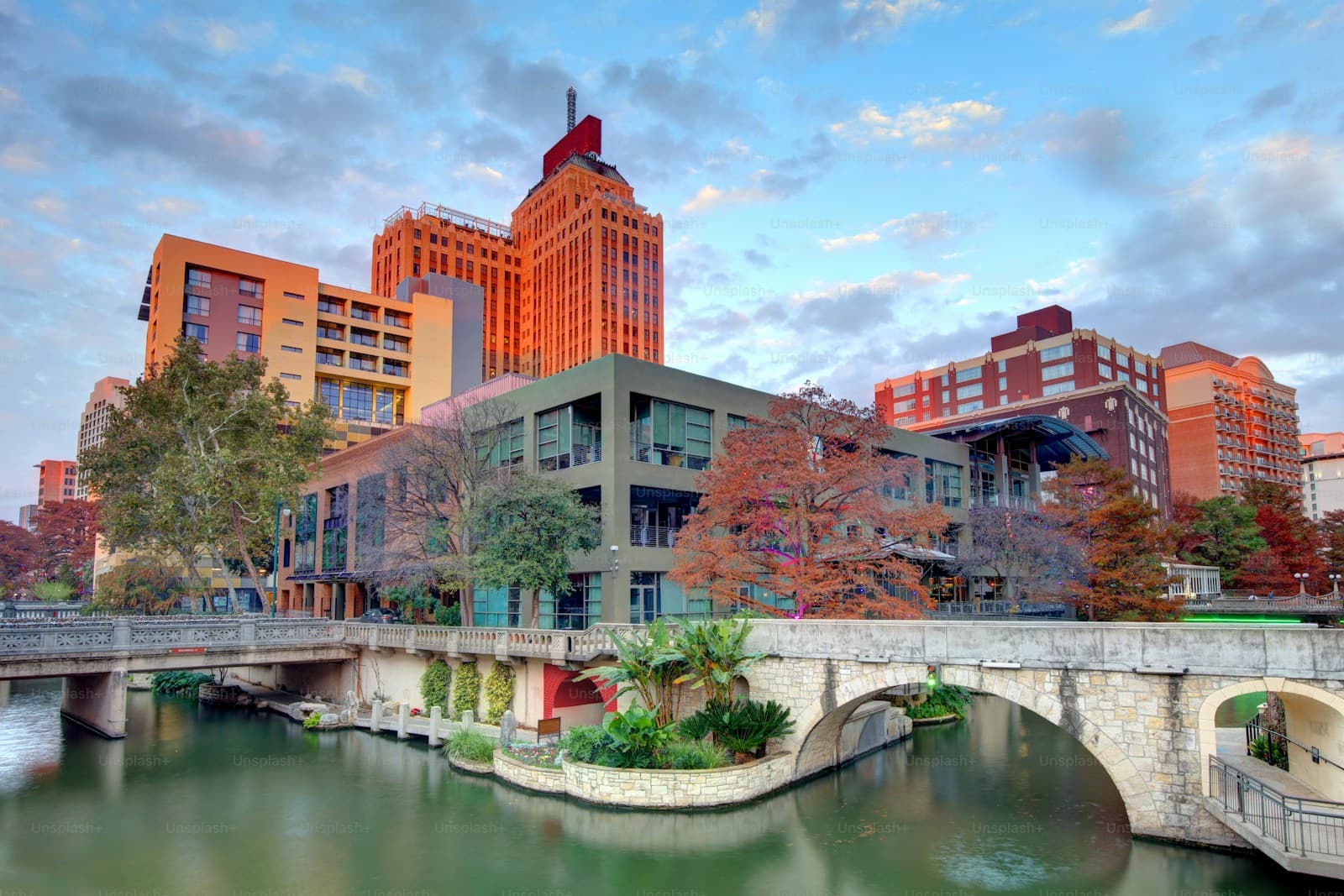
What Affects Rates in San Antonio
- Teens driving to Reagan, Marshall, or Churchill high schools often use Loop 410 during morning rush, where merging traffic and 65 mph speeds create frequent rear-end and sideswipe collisions. Parents should prioritize collision coverage if the teen's vehicle is financed or worth over $5,000, as repair costs for highway accidents in San Antonio average higher than city street incidents.
- Teen drivers attending UTSA or working part-time jobs near downtown face elevated comprehensive claims from parking lot incidents, vandalism, and vehicle break-ins in crowded campus garages and lots along Commerce Street. Comprehensive coverage becomes more cost-effective in San Antonio than in rural Texas markets due to the frequency of non-collision claims in these high-density areas.
- Teens commuting from Stone Oak or the Medical Center to schools or jobs on the far West Side regularly use I-10, where congestion near the I-10/Loop 1604 interchange and sudden slowdowns cause frequent accidents. Adding a teen who will drive this route daily typically justifies higher liability limits (100/300/100) given the multi-vehicle pileup risk during evening commutes.
- Heavy school traffic around Brandeis, Stevens, and Warren high schools during 7–8 a.m. and 3–4 p.m. creates elevated fender-bender risk on Bandera Road, Culebra Road, and Wurzbach Parkway. Parents adding teens driving these corridors should verify their policy includes rental reimbursement, as urban San Antonio repair shops often have longer wait times than suburban markets.
- San Antonio's 100°+ summer temperatures cause frequent tire blowouts on I-35 and I-37, particularly dangerous for inexperienced teen drivers at highway speeds. Roadside assistance coverage adds $5–$10/month but provides towing from high-risk locations like the I-35/I-410 interchange where teens may otherwise wait in unsafe conditions.
See what adding a teen driver actually costs in your state
Compare quotes from carriers that offer good student discounts — most parents find savings they didn't know were available.
Get Your Free QuoteCoverage Recommendations
Cost estimates are based on available industry data and vary by driver profile. These are not insurance quotes.
Liability Insurance
Multi-vehicle accidents on I-10 and Loop 410 during San Antonio rush hours can quickly exceed state minimums of 30/60/25; parents adding teens driving these routes should consider 100/300/100 limits to avoid out-of-pocket exposure.
Higher limits add $30–$60/month for teen driversEstimated range only. Not a quote.
Collision Coverage
Teens navigating congested parking at North Star Mall, UTSA, or La Cantera face frequent backing and sideswipe incidents; collision coverage justifies its cost if the vehicle is worth over $5,000 or financed.
Adds $80–$150/month for teen drivers in San AntonioEstimated range only. Not a quote.
Comprehensive Coverage
Vehicle break-ins near downtown San Antonio and UTSA campus parking structures occur regularly; comprehensive coverage with a $500 deductible typically costs less than replacing stolen items or repairing vandalism out of pocket.
Adds $40–$80/month for teen driversEstimated range only. Not a quote.
Uninsured Motorist Coverage
Bexar County has a higher-than-average uninsured motorist rate; teens driving frequently on I-35 South or near the South Side face elevated risk of hit-and-run or uninsured driver collisions.
Adds $15–$30/month for teen driversEstimated range only. Not a quote.
Rental Reimbursement
San Antonio body shops on the Northwest Side and near Loop 410 often have 2–3 week repair backlogs; rental reimbursement ensures your teen can still get to school or work during repairs.
Adds $5–$10/monthEstimated range only. Not a quote.