What Affects Rates in Chattanooga
- Teens driving to schools like Baylor, McCallie, or GPS often use the I-24 corridor through downtown, where merge patterns at the I-59 split and US-27 interchange create high-risk scenarios for new drivers. Collision coverage becomes critical if your teen commutes during rush hours on this route, as fender-benders from sudden braking are common. Parents should consider whether their teen can avoid highway driving during the first six months under Tennessee's intermediate license restrictions.
- Teen drivers parking near UTC, Coolidge Park, or downtown employers face higher comprehensive risk from vehicle break-ins and parking lot collisions. If your teen works or attends events in these areas, comprehensive coverage protects against theft of belongings from vehicles parked in high-turnover lots. Deductible choice matters more here — a $500 deductible may make sense given the frequency of minor parking damage claims in urban Chattanooga.
- High concentration of schools in East Ridge, Red Bank, and Hixson means teen drivers encounter school zone speed enforcement and congestion during arrival and dismissal times. Claims data shows backing collisions in school parking lots are frequent for new drivers at Chattanooga High, East Hamilton, and Brainerd High. Liability limits should account for potential multi-vehicle scenarios in crowded school pick-up lanes where teens may be at fault.
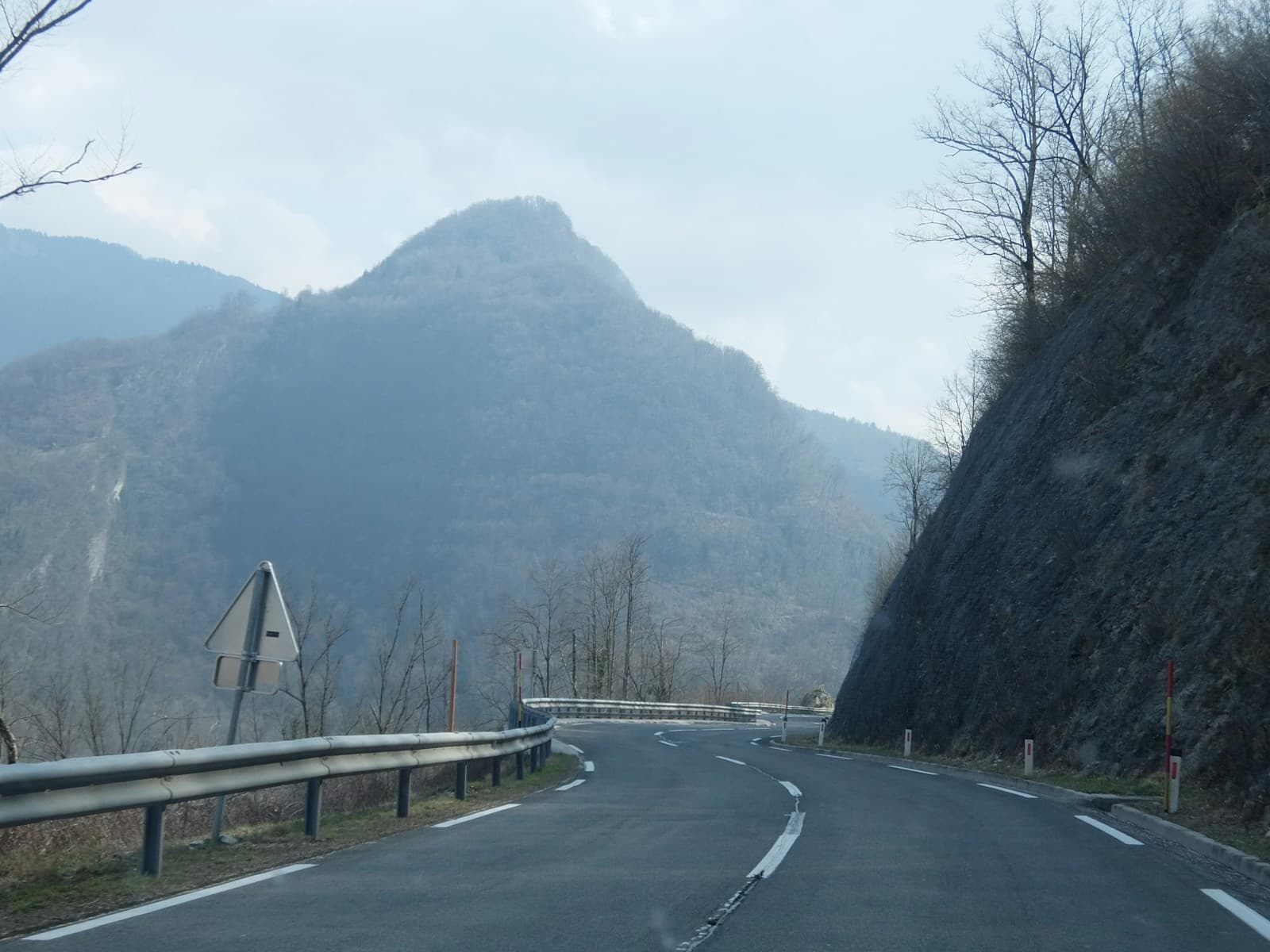
- Teens attending Baylor or GPS on Lookout Mountain face steep grades and sharp curves that become hazardous during winter ice and fog. Parents should verify their teen has completed wet-weather and hill-start training before driving these routes independently. Collision coverage is particularly important for vehicles navigating Ochs Highway and Scenic Highway regularly, as single-vehicle accidents increase significantly in wet conditions.
- Many Chattanooga teens work at Hamilton Place Mall, Northgate Mall, or Gunbarrel Road retail and restaurant clusters, requiring evening and weekend driving. These corridors see higher traffic volumes and distracted driving during retail hours. If your teen drives to work during these times, consider telematics programs that monitor nighttime driving — many carriers offer additional discounts for teens who demonstrate safe habits during higher-risk evening hours.
See what adding a teen driver actually costs in your state
Compare quotes from carriers that offer good student discounts — most parents find savings they didn't know were available.
Get Your Free QuoteCoverage Recommendations
Cost estimates are based on available industry data and vary by driver profile. These are not insurance quotes.
Liability Insurance
Chattanooga's congested school zones and I-24 merge lanes increase the likelihood of multi-vehicle accidents where your teen could be liable for injuries and property damage to multiple parties.
$$Estimated range only. Not a quote.
Collision Coverage
Critical for teens commuting on I-24 or parking at Hamilton Place and UTC, where fender-benders and parking lot collisions are frequent — if your teen drives a vehicle worth more than $5,000, collision coverage typically makes financial sense.
$$$Estimated range only. Not a quote.
Comprehensive Coverage
Relevant for teens parking downtown or near North Shore entertainment areas where vehicle break-ins occur, and for those driving Lookout Mountain roads where falling debris and weather damage are common.
$$Estimated range only. Not a quote.
Uninsured Motorist Coverage
Tennessee has higher-than-average uninsured driver rates in urban areas including Chattanooga — this coverage fills the gap if your teen is injured by an uninsured driver on US-27 or in a parking lot hit-and-run.
$$Estimated range only. Not a quote.