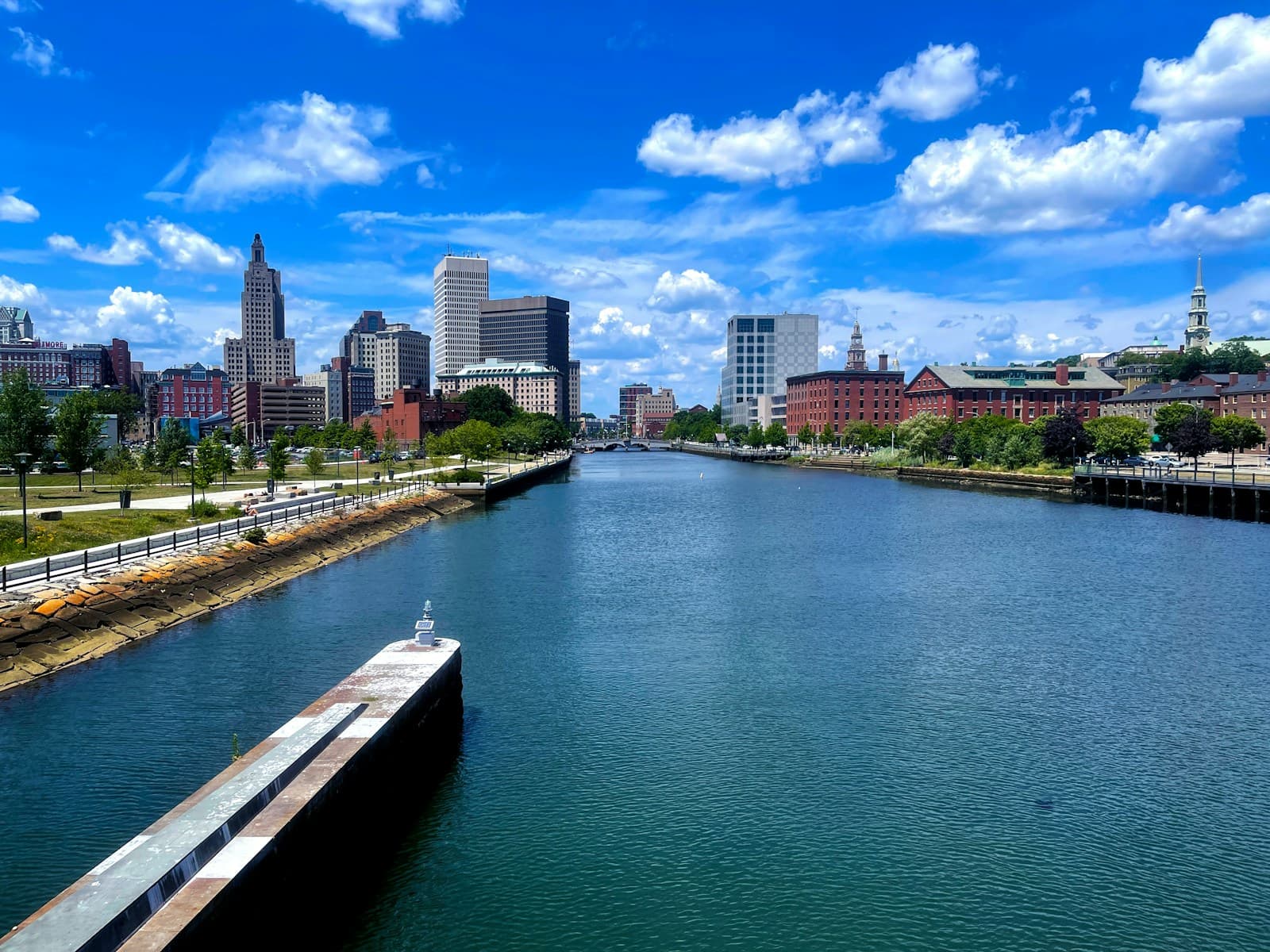
What Affects Rates in Providence
- Teens attending Classical, Central, or Hope High Schools face daily navigation of Kennedy Plaza congestion and one-way street grids that increase fender-bender frequency compared to suburban campuses with dedicated parking. Parents should verify whether their collision deductible matches their comfort level for parking lot incidents, which are common along Weybosset Street and Westminster Street during school drop-off hours.
- Teens living near Brown University or attending Moses Brown School on Hope Street park on narrow residential streets where mirror strikes and door dings are frequent. Comprehensive coverage becomes more valuable in these neighborhoods than in suburban Cranston or Warwick, where driveways and garage parking reduce these risks for the same premium dollars.
- Teens commuting from Providence to jobs in Warwick or Johnston navigate the Route 6/10 interchange and Dean Street merge zones, where inexperienced drivers face higher accident rates during evening rush periods. The Providence Police Department's 2023 collision data shows elevated incident rates for drivers under 21 at the Atwells Avenue and Route 6 westbound on-ramp during 4-6 PM weekday windows.
- Providence's steep hill streets in the East Side—Benefit Street, Congdon Street, and Prospect Street—require different winter driving skills than flat suburban roads, and teen drivers in this area face higher at-fault accident risk during December through February ice events. This geography makes collision coverage a practical consideration even for older vehicles, as steep-grade slides into parked cars are common and costly.
- Teen employment concentrates along Thayer Street near Brown, the Providence Place Mall area, and North Main Street retail zones, creating predictable evening commute patterns that insurers factor into urban rate calculations. Teens driving to evening retail shifts face higher exposure hours than those in suburban areas with earlier curfews and less commercial density.
See what adding a teen driver actually costs in your state
Compare quotes from carriers that offer good student discounts — most parents find savings they didn't know were available.
Get Your Free QuoteCoverage Recommendations
Cost estimates are based on available industry data and vary by driver profile. These are not insurance quotes.
Liability Insurance
Kennedy Plaza and North Main Street congestion means rear-end collisions are common for inexperienced Providence teen drivers during morning school rush, making 100/300/100 limits worth considering given lawsuit exposure in multi-car incidents.
State minimum adequate only for oldest vehiclesEstimated range only. Not a quote.
Collision Coverage
Street parking along Hope Street and Wickenden Street creates frequent mirror strikes and parallel parking mishaps for new Providence drivers—collision coverage makes sense even for 8-10 year old vehicles if repair costs would strain your budget.
Consider $1,000 deductible to lower premiumsEstimated range only. Not a quote.
Comprehensive Coverage
Federal Hill and West End neighborhoods see higher vehicle break-in rates than suburban Rhode Island, and street-parked cars face vandalism risk that makes comprehensive coverage valuable for Providence teens even on older paid-off vehicles.
Often $15-$30/month for older carsEstimated range only. Not a quote.
Uninsured Motorist Coverage
Providence has higher uninsured driver rates than suburban Barrington or East Greenwich, making UM coverage particularly important for teens navigating Broad Street and Prairie Avenue corridors where uninsured driver incidents are more common.
Typically 5-10% of total premiumEstimated range only. Not a quote.