What Affects Rates in Portland
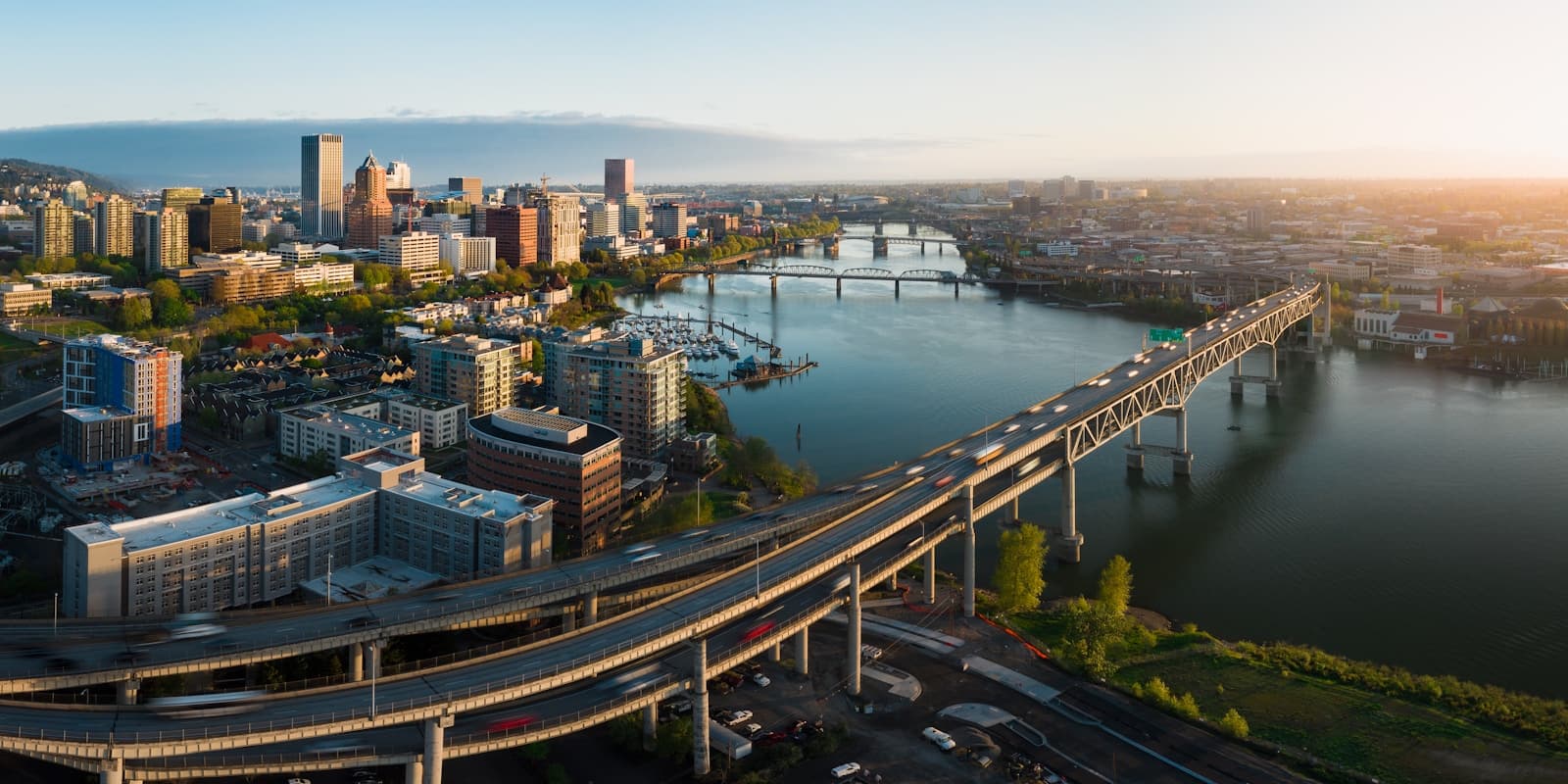
- Teens commuting from Southeast Portland to Westside high schools or jobs cross the Hawthorne, Morrison, or Ross Island bridges during peak hours, creating stop-and-go conditions where rear-end collisions are common. Parents should confirm collision coverage deductibles are affordable if the teen drives daily across the Willamette, as even minor bridge-deck fender benders generate claims that affect future rates.
- Portland's 82nd Avenue consistently ranks among the city's highest-crash corridors, with frequent angle and pedestrian collisions that involve young drivers unfamiliar with multi-lane arterial timing. Teens attending David Douglas, Parkrose, or Centennial high schools or working retail jobs along this stretch face elevated risk, making liability limits above state minimums critical given the street's claim history.
- Teens parking downtown for Portland State University classes or Lloyd District jobs encounter tight parking garages and street parking where door dings, sideswipes, and theft claims are frequent. Comprehensive coverage becomes relevant even for older vehicles in these zones, as catalytic converter theft and vandalism rates in central Portland exceed suburban rates by a measurable margin.
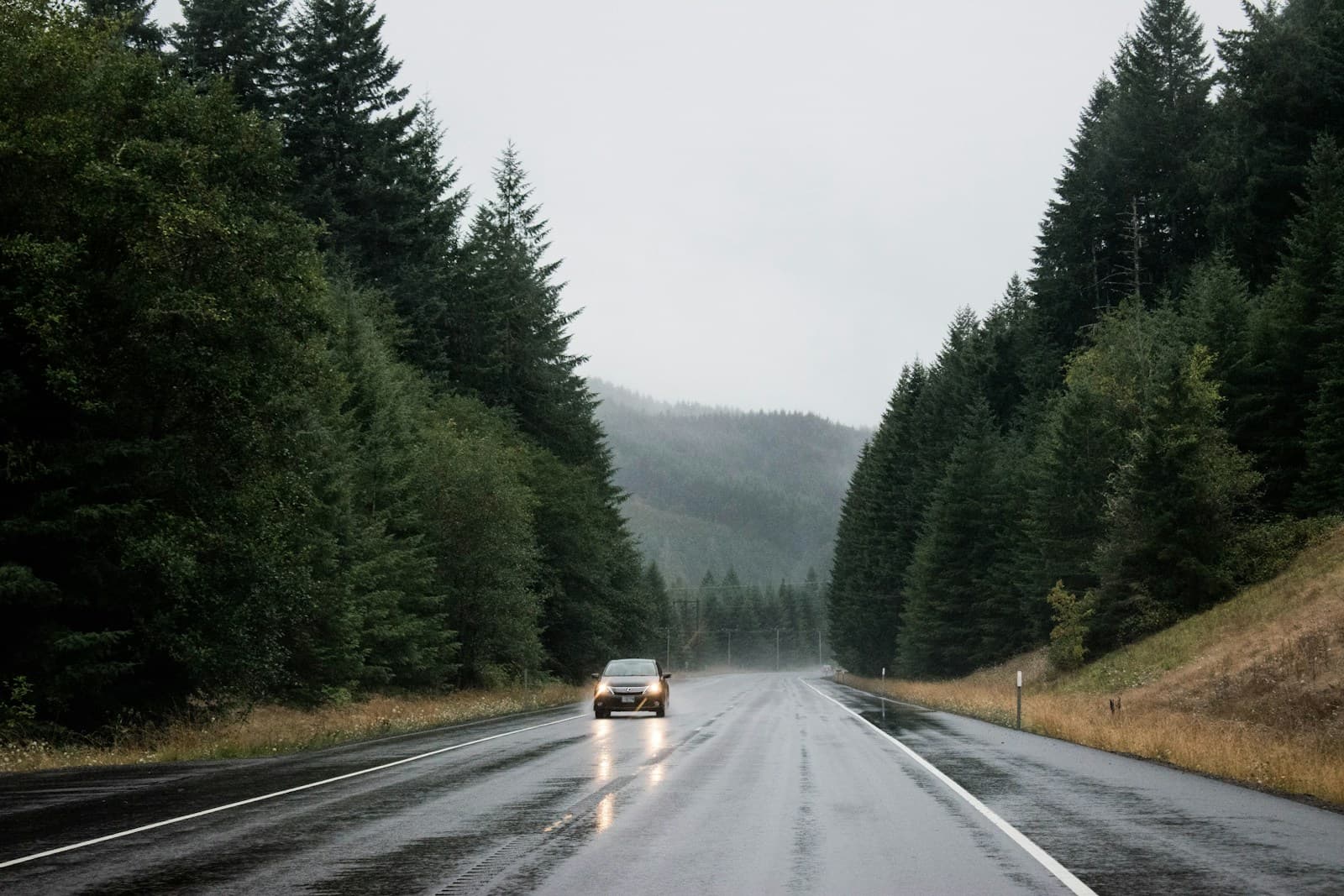
- Teens commuting from Beaverton or Hillsboro into Portland on Highway 26 face October-through-May rain conditions where hydroplaning and reduced visibility contribute to multi-vehicle pileups, especially in the Sylvan and Vista Ridge tunnel sections. Driver training programs that include wet-weather handling provide both a premium discount and practical risk reduction for this specific commute pattern.
- Families in Southeast neighborhoods like Hawthorne, Division, and Belmont park on narrow streets with heavy foot traffic and bike lane adjacency, where teens learning spatial judgment cause mirror strikes and pedestrian near-misses. Collision coverage with a $500 or $1,000 deductible balances affordability with protection in these tight-parking, high-activity zones where minor claims accumulate quickly.
See what adding a teen driver actually costs in your state
Compare quotes from carriers that offer good student discounts — most parents find savings they didn't know were available.
Get Your Free QuoteCoverage Recommendations
Cost estimates are based on available industry data and vary by driver profile. These are not insurance quotes.
Liability Insurance
Portland's congested corridors like Powell and 82nd Avenue produce frequent angle and rear-end collisions where teens are often at fault, making 100/300/100 limits a safer choice than Oregon's 25/50/20 minimums given the city's claim severity.
Base coverage — required statewideEstimated range only. Not a quote.
Collision Coverage
Bridge commutes, rain-slick Highway 26 conditions, and tight parking in inner eastside neighborhoods create frequent low-speed collision scenarios where a $500–$1,000 deductible balances premium cost with practical claim utility for Portland teen drivers.
Higher cost — optional unless financingEstimated range only. Not a quote.
Comprehensive Coverage
Catalytic converter theft and vandalism rates in central Portland, Lloyd District, and inner Southeast make comprehensive relevant even for older paid-off vehicles if the teen parks on-street or in public garages regularly.
Moderate cost — especially relevant for Portland parking environmentsEstimated range only. Not a quote.
Uninsured Motorist Coverage
Portland's uninsured motorist rate is typical for urban Oregon markets, making UM coverage a prudent addition when raising liability limits, especially for teens commuting high-traffic routes like I-5 and I-84 where hit-and-run risk is elevated.
Low cost — recommended addition to liabilityEstimated range only. Not a quote.
Medical Payments Coverage
Portland's dense pedestrian and bike traffic zones in neighborhoods like Hawthorne and Alberta increase the chance of accidents involving injuries, making MedPay a low-cost layer that covers gaps before health insurance activates.
Low cost — $1,000–$5,000 typical limitsEstimated range only. Not a quote.