What Affects Rates in Great Falls
- Great Falls High and C.M. Russell High draw students from across the city, with heavy teen traffic on 10th Avenue South, River Drive North, and Central Avenue West during morning and afternoon rush. These routes experience frequent stop-and-go congestion during school hours, increasing minor collision risk for new drivers. Parents should consider whether their teen's assigned vehicle warrants collision coverage based on replacement cost and the frequency of parking lot incidents at these campuses.
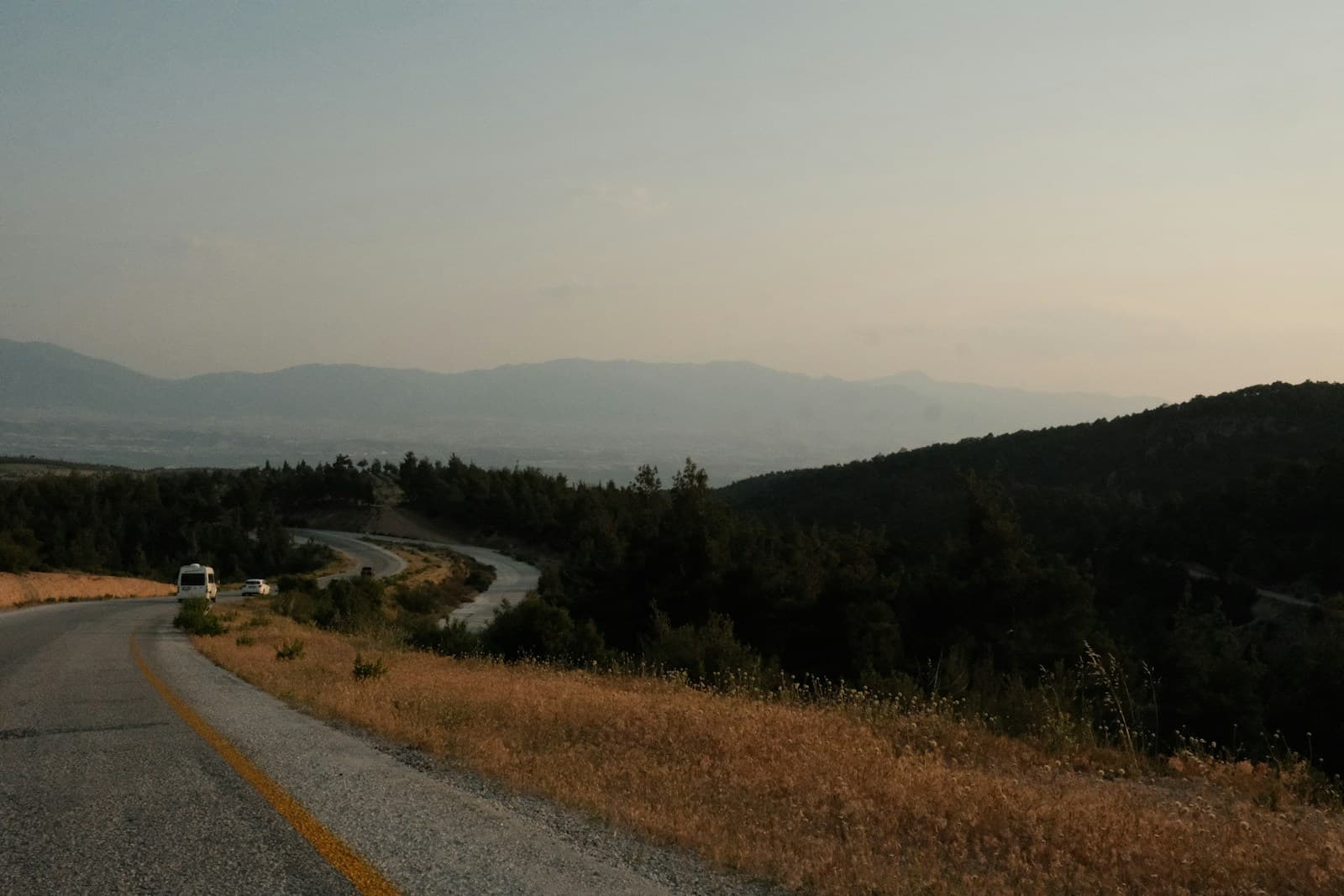
- Teens living in the suburban edges near Black Eagle or Vaughn often use Highway 87 and Montana Highway 200 for school or work commutes, exposing them to higher-speed rural driving with limited lighting and longer emergency response times. These highways see frequent wildlife crossings, especially at dawn and dusk when teen drivers are commuting. Comprehensive coverage becomes more relevant in these areas due to animal collision risk, while the higher speeds make adequate liability limits critical.
- Many Great Falls teens work part-time jobs at Malmstrom Air Force Base or the surrounding commercial area, requiring commutes along 2nd Avenue North and Malmstrom Gate access roads. This corridor has consistent traffic volume and base security checkpoints that can create sudden stops. Parents whose teens drive to base employment should verify their teen's vehicle has functional safety features and consider whether the commute frequency justifies maintaining collision coverage on older cars.
- Great Falls experiences ice and snow from October through April, with frequent black ice on bridges crossing the Missouri River and wind-driven snow reducing visibility on open stretches like Market Place Drive. Teen drivers face extended exposure to winter hazards compared to shorter-season Montana cities. Parents should prioritize driver training that includes winter skills and evaluate whether comprehensive coverage for weather-related damage justifies the premium increase on vehicles their teen will drive through multiple winter seasons.
- Great Falls has lower vehicle theft rates than urban Montana centers, but the Marketplace shopping district and Holiday Village Mall parking lots see occasional break-ins and minor vandalism. Teens parking at these employment or social hubs face moderate property crime exposure. Comprehensive coverage may be optional for older vehicles with low replacement value, but parents should assess whether their teen's typical parking locations increase theft or vandalism risk enough to warrant the added premium.
See what adding a teen driver actually costs in your state
Compare quotes from carriers that offer good student discounts — most parents find savings they didn't know were available.
Get Your Free QuoteCoverage Recommendations
Cost estimates are based on available industry data and vary by driver profile. These are not insurance quotes.
Liability Insurance
Critical for Great Falls teens commuting on Highway 87 and Montana Highway 200, where higher-speed collisions result in larger claims and Montana's 25/50/20 minimums may not cover serious multi-vehicle accidents.
Required — increases significantly when adding a teen driverEstimated range only. Not a quote.
Collision Coverage
Evaluate based on your teen's vehicle value and their commute — frequent driving on congested 10th Avenue South and Central Avenue West increases fender-bender risk, but may not justify collision premiums on older paid-off cars.
Optional — highest cost increase for teen driversEstimated range only. Not a quote.
Comprehensive Coverage
More relevant for Great Falls teens driving rural routes like Highway 87 where wildlife crossings are frequent, and during the October–April winter season when hail and ice damage are common.
Optional — moderate cost, higher value for rural commutersEstimated range only. Not a quote.
Uninsured/Underinsured Motorist
Montana does not require this coverage, but uninsured driver rates are present in Great Falls and surrounding Cascade County, making this a cost-effective safety net for serious injuries your teen sustains in a not-at-fault collision.
Optional — relatively low cost for meaningful protectionEstimated range only. Not a quote.