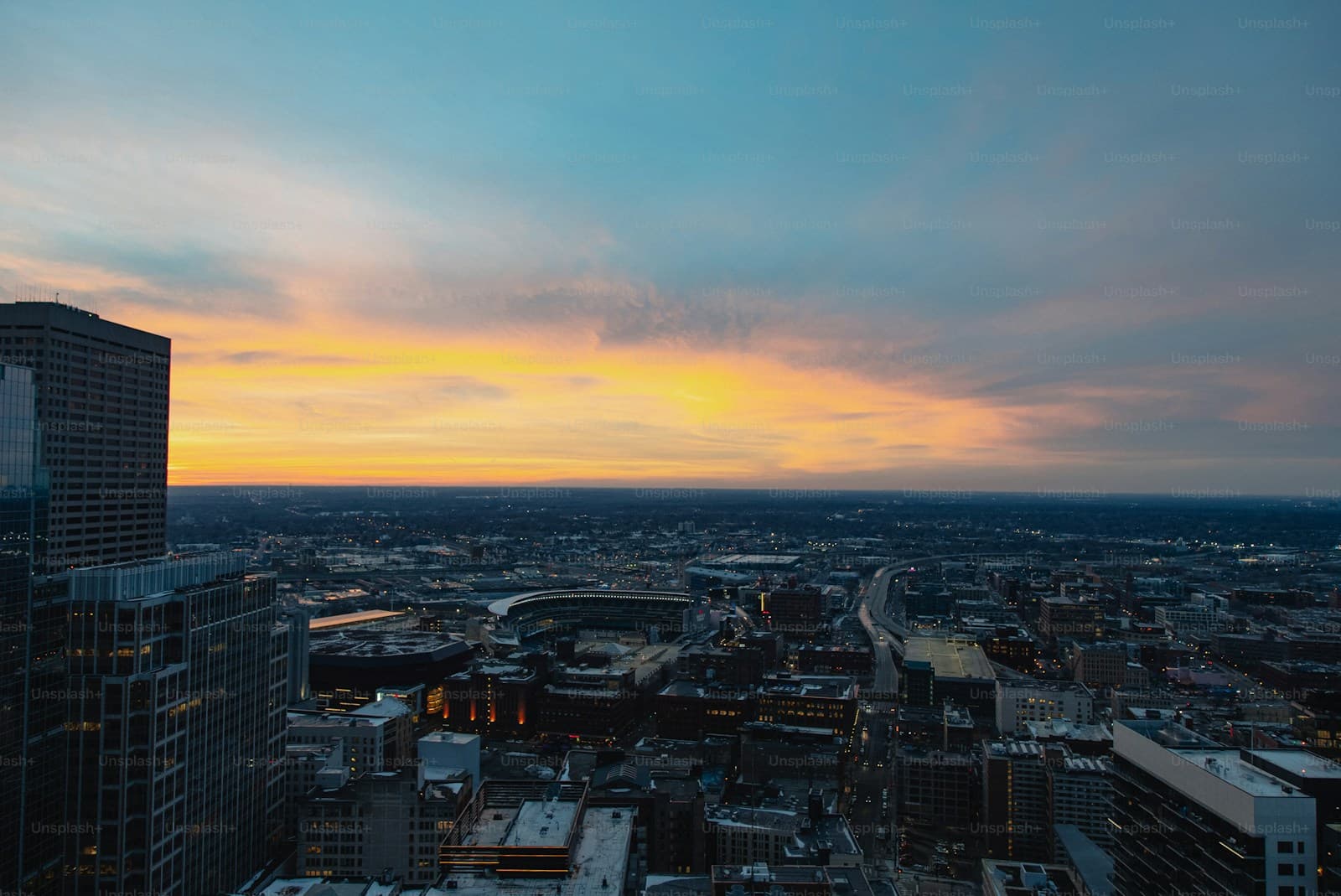
What Affects Rates in Minneapolis
- Teen drivers commuting from southern Minneapolis suburbs to North Loop or downtown schools navigate the I-35W corridor through the Crosstown interchange and across the I-35W bridge—sections with frequent merging traffic, sudden slowdowns, and winter ice accumulation that consistently produce higher accident rates for inexperienced drivers. Parents should verify their teen has completed winter driving training before allowing highway commutes during morning rush periods. The elevated collision frequency in this corridor directly increases comprehensive and collision premiums for families in Powderhorn, Longfellow, and Nokomis neighborhoods whose teens use I-35W to reach Minneapolis Public Schools or private schools downtown.
- Teens attending University of Minnesota or working part-time in Dinkytown, Stadium Village, or Prospect Park face elevated theft and vandalism risk in campus-adjacent parking zones, particularly along University Avenue SE and Washington Avenue where opportunistic vehicle break-ins are common. Comprehensive coverage becomes more valuable for parents whose teens park in these areas regularly, as deductible costs for broken windows or stolen belongings can exceed $500. Families in Northeast Minneapolis or Como whose teens drive to campus should compare comprehensive deductibles ($250 vs $500 vs $1000) against the premium savings—lower deductibles typically add $15–$25/mo but eliminate out-of-pocket exposure in high-theft zones.
- Minneapolis teens driving November through March encounter black ice on Lake Street, Hennepin Avenue, and Lyndale Avenue during morning school commutes, plus snowpack narrowing lanes on residential streets in Uptown, Seward, and Standish neighborhoods where parked cars create tight clearances. Parents adding a teen driver should expect winter months to amplify collision risk for inexperienced drivers unfamiliar with threshold braking on ice or navigating reduced visibility during snow squalls. Enrolling teens in Minnesota-specific winter driving courses that include supervised practice on icy surfaces can qualify for driver training discounts (typically 5–15%) while reducing actual crash likelihood on Minneapolis streets during the coldest months.
- Teen drivers working part-time jobs along Lyndale Avenue, Lake Street, or at Mall of America in Bloomington (just south of Minneapolis) face rush-hour congestion, frequent lane changes, and higher rear-end collision rates during evening commutes back to neighborhoods like Linden Hills, Tangletown, or Corcoran. Parents should assess whether their teen's work schedule overlaps with 4–6 PM peak traffic on these arterials, as accident frequency during these hours directly influences the premium increase from adding a young driver. Teens driving older vehicles to these employment zones may benefit from dropping collision coverage if the car's value is under $3,000, redirecting premium dollars toward higher liability limits more relevant in dense urban traffic.
- Teen drivers navigating downtown Minneapolis for school events, weekend activities, or jobs encounter one-way street grids, unexpected pedestrian crossings near Target Field and the North Loop, and tight parking maneuvers in ramps near Nicollet Mall that increase minor collision frequency for inexperienced drivers. Parents whose teens regularly drive downtown should prioritize collision coverage with manageable deductibles ($500–$1000) rather than eliminating it entirely, as low-speed parking structure impacts and sideswipes in congested areas are common claims scenarios. The urban density in Elliot Park, Mill District, and Downtown East neighborhoods drives higher base rates for all drivers, with teen surcharges amplifying these already-elevated premiums by 80–120% compared to adding a teen in Edina or Minnetonka.

See what adding a teen driver actually costs in your state
Compare quotes from carriers that offer good student discounts — most parents find savings they didn't know were available.
Get Your Free QuoteCoverage Recommendations
Cost estimates are based on available industry data and vary by driver profile. These are not insurance quotes.
Liability Insurance
Minneapolis's dense traffic on Hennepin Avenue, Lyndale Avenue, and I-94 increases rear-end collision risk for inexperienced drivers, making liability limits above Minnesota's 30/60/10 minimums prudent for parents protecting home equity and assets.
Moderate cost; higher limits add $15–$40/moEstimated range only. Not a quote.
Collision Coverage
Teens navigating winter ice on Lake Street or tight downtown parking structures near Nicollet Mall generate frequent low-to-moderate collision claims, making a $500–$1000 deductible a practical balance between premium cost and out-of-pocket exposure.
High cost; major driver of teen premium increaseEstimated range only. Not a quote.
Comprehensive Coverage
Vehicle break-ins near University of Minnesota campus, catalytic converter theft in Phillips and Powderhorn neighborhoods, and hail damage from summer storms make comprehensive coverage valuable for teen drivers parking on Minneapolis streets overnight.
Moderate cost; typically $30–$70/mo for teensEstimated range only. Not a quote.
Uninsured Motorist Coverage
Minneapolis's urban core has higher uninsured driver rates than suburban Minnesota, particularly in corridors along Lake Street and Chicago Avenue where your teen may encounter drivers carrying only state minimums or no coverage at all.
Low to moderate cost; adds $10–$25/moEstimated range only. Not a quote.
Medical Payments Coverage
Winter crashes on I-35W or icy residential streets in Longfellow and Seward can result in injuries requiring emergency care at Hennepin Healthcare or Abbott Northwestern—MedPay covers these costs before health insurance deductibles apply.
Low cost; typically $5–$15/mo for $1,000–$5,000Estimated range only. Not a quote.