What Affects Rates in Ann Arbor
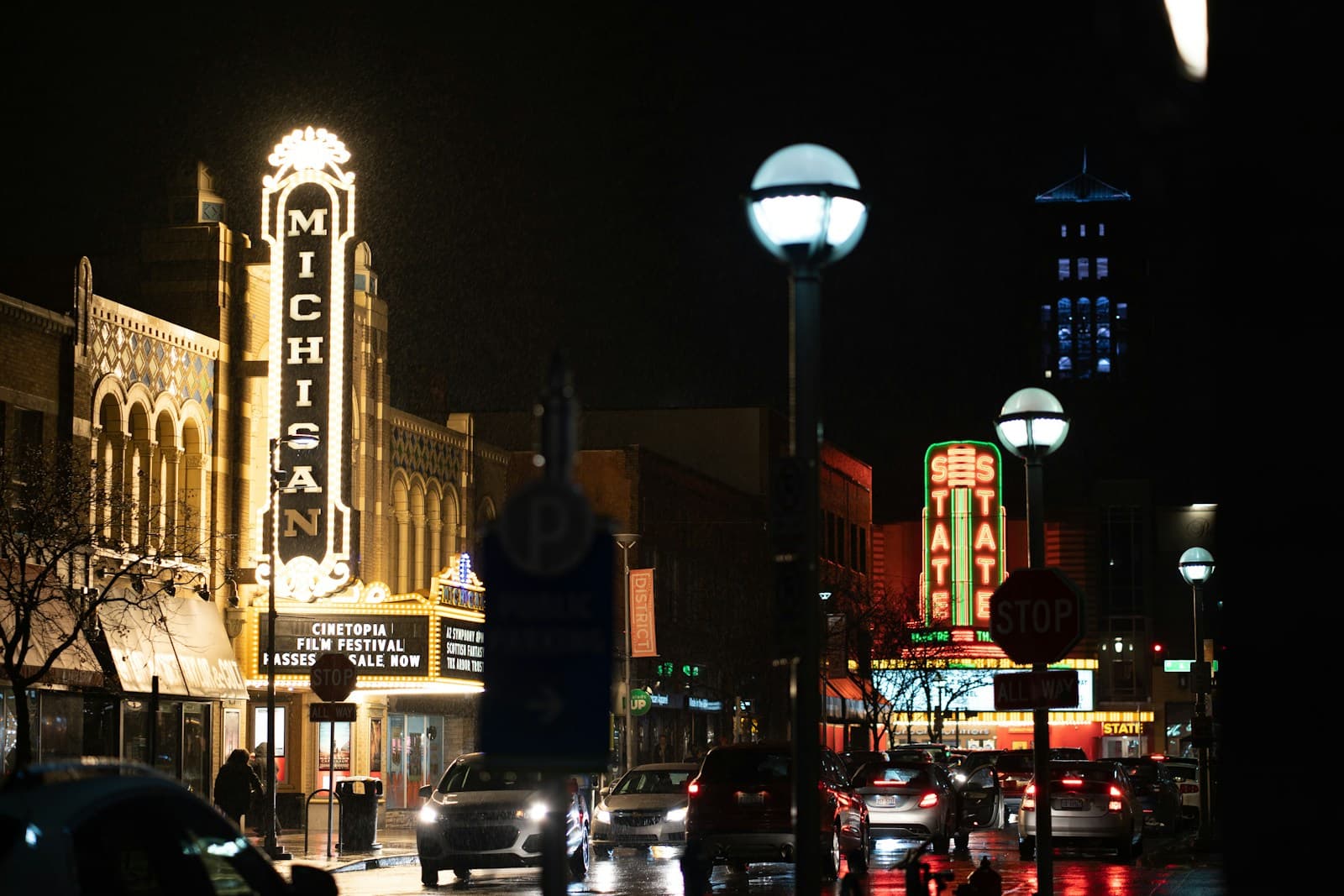
- State Street, South University, and Washtenaw Avenue see heavy student traffic from 7–9 AM and 2–5 PM when teens commute to Pioneer and Huron High Schools and part-time campus jobs. Collision coverage becomes critical for teens driving these routes daily, as fender-benders in tight university-area parking and merge lanes are significantly more common than on rural Michigan roads. Carriers price Ann Arbor zip codes 48104 and 48108 higher specifically due to this congestion density.
- Ann Arbor teens learning to drive face black ice on North Campus underpasses along Huron Parkway and Plymouth Road during November–March, where shaded sections freeze before sunrise commutes. Parents should prioritize collision coverage even for older vehicles if their teen regularly drives these elevated-risk winter routes to Skyline High School or early-morning shifts near Briarwood Mall, as single-vehicle weather-related claims spike among 16–18 year olds during first winter seasons.
- Teens driving near Central Campus must navigate high pedestrian volumes crossing at unmarked points along State Street and South University between classes, creating liability exposure most suburban Michigan teens don't face. Insurance carriers track claim frequency in the 48104 zip code's campus core, where distracted teen drivers striking pedestrians or cyclists results in significantly higher liability claims than typical suburban school commutes.
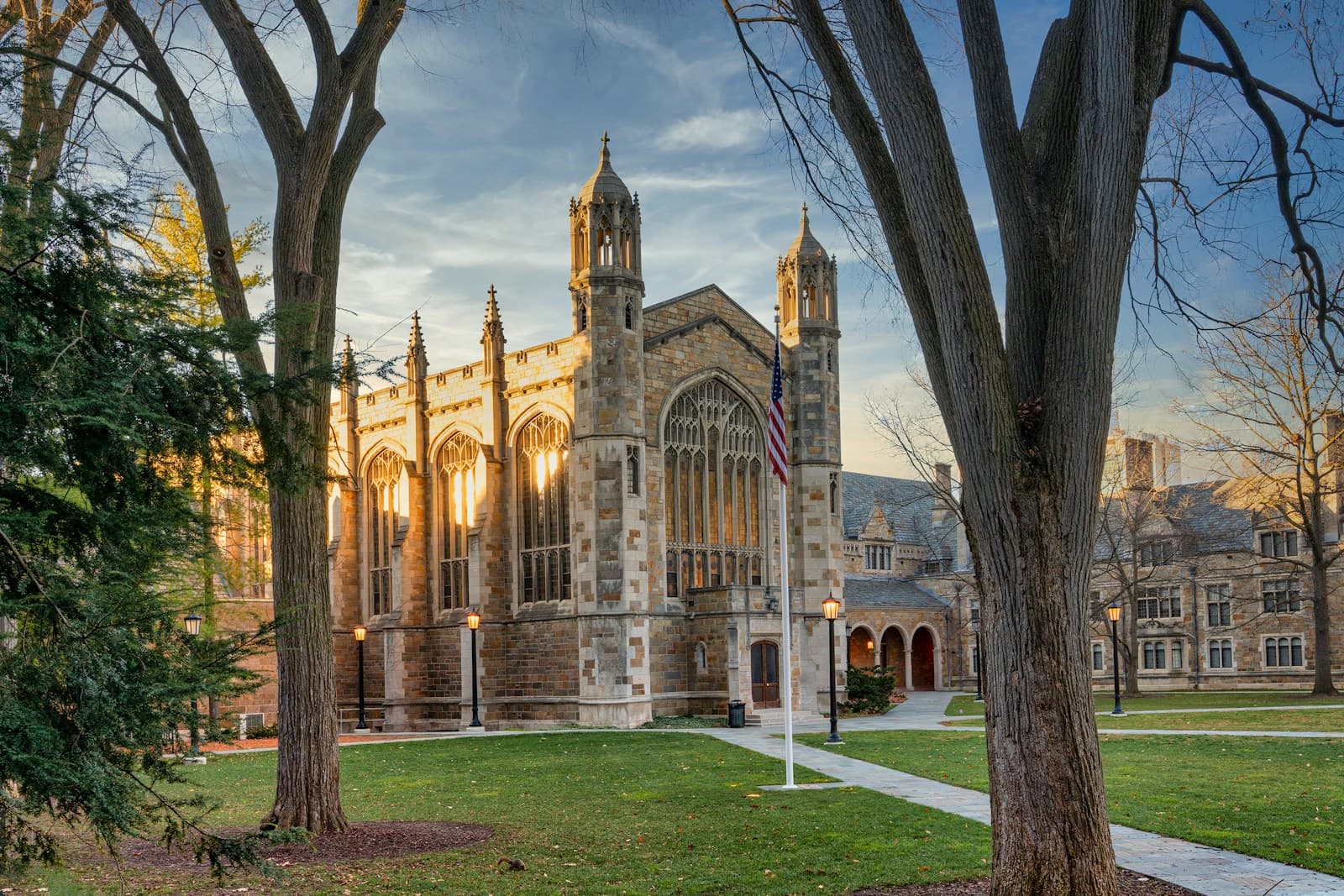
- With Ann Arbor Community High School, Pioneer, Huron, and Skyline producing large numbers of college-bound students, the good student discount (typically requiring 3.0+ GPA) delivers 15–25% savings that can offset $30–70/month of the teen driver surcharge. Parents should request transcripts each semester and submit to carriers immediately, as the discount is carrier-discretionary in Michigan and not automatically applied without documentation.
- Ann Arbor's higher base premium rates (due to urban density and university traffic) mean adding a teen to a parent's existing multi-car policy typically saves $80–$150/month compared to a separate teen-only policy, but only if the parent has a clean record. If the parent has recent violations or claims, the combined policy's elevated rate may eliminate savings—run both scenarios with your carrier before deciding, as Ann Arbor's rate environment amplifies the impact of each driver's record.
See what adding a teen driver actually costs in your state
Compare quotes from carriers that offer good student discounts — most parents find savings they didn't know were available.
Get Your Free QuoteCoverage Recommendations
Cost estimates are based on available industry data and vary by driver profile. These are not insurance quotes.
Liability Insurance
Critical for Ann Arbor teens driving near U-M campus where striking pedestrians or cyclists in crosswalks along State Street creates significant injury liability exposure.
$85–$140/month for 100/300/100 limitsEstimated range only. Not a quote.
Collision Coverage
Essential for Ann Arbor teens navigating tight campus parking structures near Hill Street and Forest Avenue, where backing accidents and parking lot fender-benders are frequent among new drivers.
$120–$220/month with $500 deductibleEstimated range only. Not a quote.
Comprehensive Coverage
Relevant for Ann Arbor teens parking overnight in open campus lots near North Campus or Briarwood where vehicle break-ins targeting student cars occur regularly.
$35–$65/month with $500 deductibleEstimated range only. Not a quote.
Uninsured Motorist Coverage
Valuable in Ann Arbor where transient student populations and out-of-state drivers in the 48104 zip code create higher-than-typical uninsured motorist encounter rates during academic year influx.
$15–$30/month for matching liability limitsEstimated range only. Not a quote.