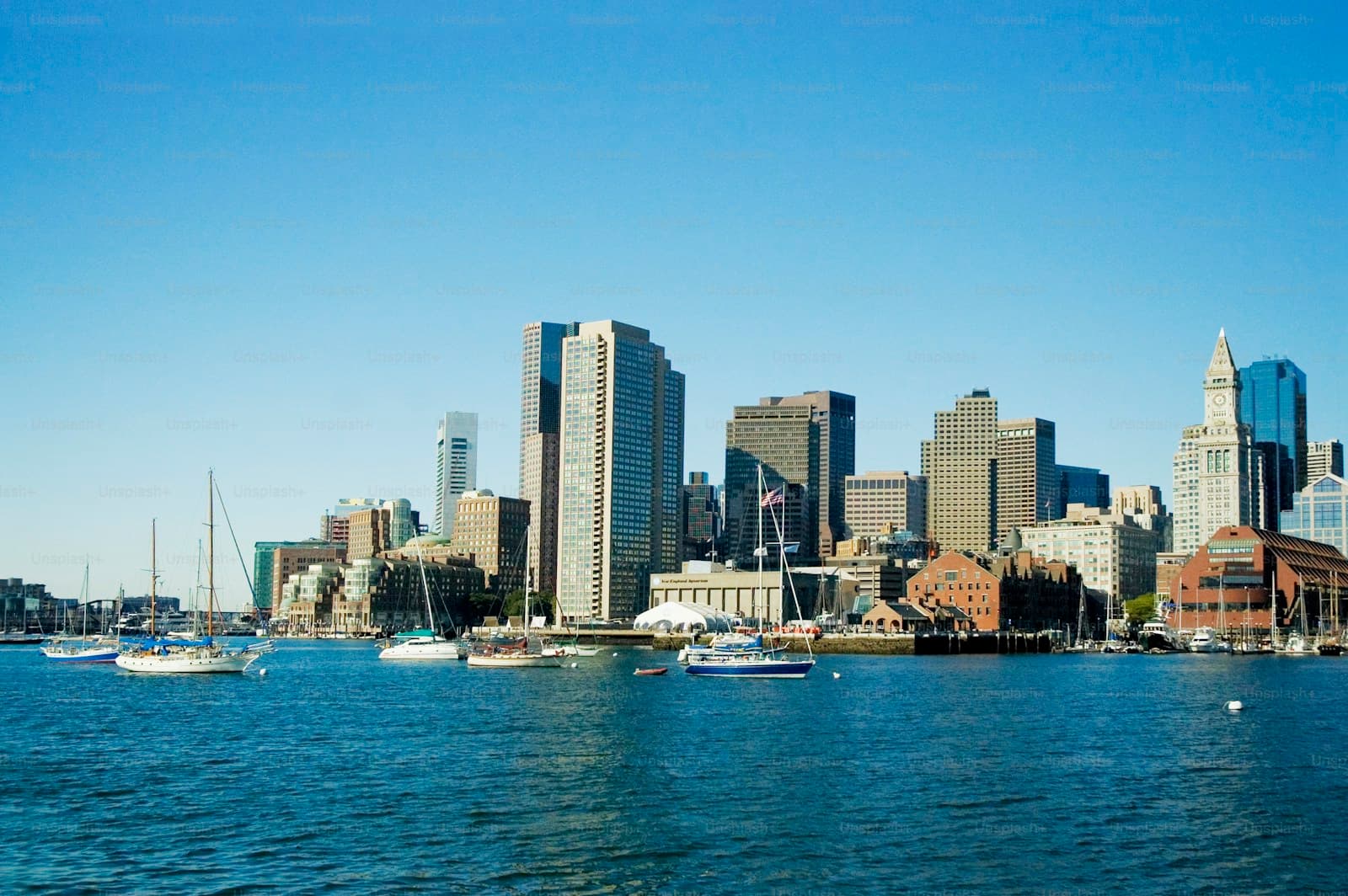
What Affects Rates in Boston
- Teen drivers commuting to Boston Latin School, Boston Arts Academy, or part-time jobs in Downtown Crossing and Back Bay face stop-and-go traffic, pedestrian-heavy crosswalks, and limited street parking that increases low-speed collision risk. Carriers view garaging addresses in Beacon Hill, the North End, and South End as higher risk due to tight street parking and the frequency of sideswipe and door-ding claims. Parents should verify whether their policy covers parking lot damage comprehensively, as teens working retail or food service jobs in these corridors park in crowded employee lots.
- Teens driving from neighborhoods like Dorchester, Mattapan, or Roxbury to jobs or schools in Cambridge or Somerville often use Route 93 or Storrow Drive, both high-speed corridors with elevated accident rates during rush hours and sudden lane merges that challenge inexperienced drivers. Storrow's low-clearance bridges and unexpected exit-only lanes create confusion for new drivers unfamiliar with the route. Liability limits matter more for highway driving—parents should consider whether the state minimum of 20/40/5 is adequate when a teen is merging onto 93 during peak commute times.
- Boston's winter storms drop heavy snow that creates black ice on the Mass Pike, Route 1, and neighborhood streets where teens drive to high school or early-morning shifts. Inexperienced drivers in Charlestown, East Boston, or Jamaica Plain face steep hills and uneven plowing that increase loss-of-control incidents from December through March. Collision coverage becomes essential if the teen drives an older vehicle the family cannot afford to replace out-of-pocket after a weather-related single-car accident on icy roads near Franklin Park or along the VFW Parkway.
- Teens working in the dense Allston-Brighton restaurant and retail corridor—Commonwealth Avenue, Harvard Avenue, Brighton Avenue—navigate double-parked delivery trucks, frequent pedestrian crossings near Boston University and Boston College, and limited visibility at intersections. The neighborhood's high concentration of young drivers and rental turnover creates a claims environment that pushes premiums higher for teen drivers garaging cars in zip codes 02134 and 02135. Comprehensive coverage addresses the elevated theft and vandalism risk in overnight street parking common in this area.
- Boston's rotaries—including Kelley Square in Jamaica Plain, rotaries along the Jamaicaway, and the complex intersection at Massachusetts Avenue and Huntington Avenue—require yield judgment and spatial awareness that newly licensed drivers lack. Teen drivers attending schools like Madison Park Technical Vocational or Snowden International often navigate these intersections daily, and carriers price the learning curve into premiums for Boston-based policies. Parents adding a 16-year-old with a learner's permit should confirm the policy covers supervised practice driving in these high-risk areas before the teen's road test.
See what adding a teen driver actually costs in your state
Compare quotes from carriers that offer good student discounts — most parents find savings they didn't know were available.
Get Your Free QuoteCoverage Recommendations
Cost estimates are based on available industry data and vary by driver profile. These are not insurance quotes.
Liability Insurance
Boston's congested intersections near Fenway Park, Kenmore Square, and the Financial District increase multi-vehicle accident risk where a teen's at-fault claim could exceed the state minimum of 20/40/5—parents should consider 100/300/100 limits for teens driving Route 93 or Storrow Drive.
Required; higher limits add $30–$80/monthEstimated range only. Not a quote.
Collision Coverage
Essential for teens driving newer vehicles in Boston's tight parking environments in Beacon Hill, the North End, and South Boston where sideswipe and backing incidents are common, but may be skipped for older paid-off cars the family can afford to replace after a teen's single-car accident on icy roads near Franklin Park.
Optional; adds $150–$300/month for teen driversEstimated range only. Not a quote.
Comprehensive Coverage
Critical for teens parking overnight on Allston-Brighton streets or in East Boston where vehicle break-ins and catalytic converter theft are elevated, and for winter nor'easter damage from falling tree limbs in Jamaica Plain and Dorchester.
Optional; adds $40–$90/monthEstimated range only. Not a quote.
Uninsured/Underinsured Motorist
Valuable in Boston where the mix of out-of-state student drivers, delivery vehicles, and older cars in neighborhoods like Roxbury and Mattapan increases the likelihood a teen is involved in an accident with an underinsured driver who cannot cover the full cost of injuries.
Optional in MA; adds $20–$50/monthEstimated range only. Not a quote.
Personal Injury Protection (PIP)
Required in Massachusetts with a minimum of $8,000 coverage—parents should verify the policy's PIP limit is adequate for a teen injured in a Route 1 or Mass Pike accident where ambulance transport to Boston Medical Center or Mass General incurs immediate costs.
Required; included in base premiumEstimated range only. Not a quote.