
Minimum Coverage Requirements in Indiana
Indiana requires minimum liability coverage of $25,000 per person/$50,000 per accident for bodily injury and $25,000 for property damage (25/50/25). Teen drivers move through a graduated licensing system overseen by the Indiana Bureau of Motor Vehicles: a learner's permit starting at age 15, an intermediate license at 16 (with passenger and nighttime restrictions), and an unrestricted license at 18 or after completing 180 days violation-free. While Indiana does not legally mandate a good student discount, most major carriers in the state offer one — parents should ask specifically and provide proof of a B average or 3.0 GPA to qualify.
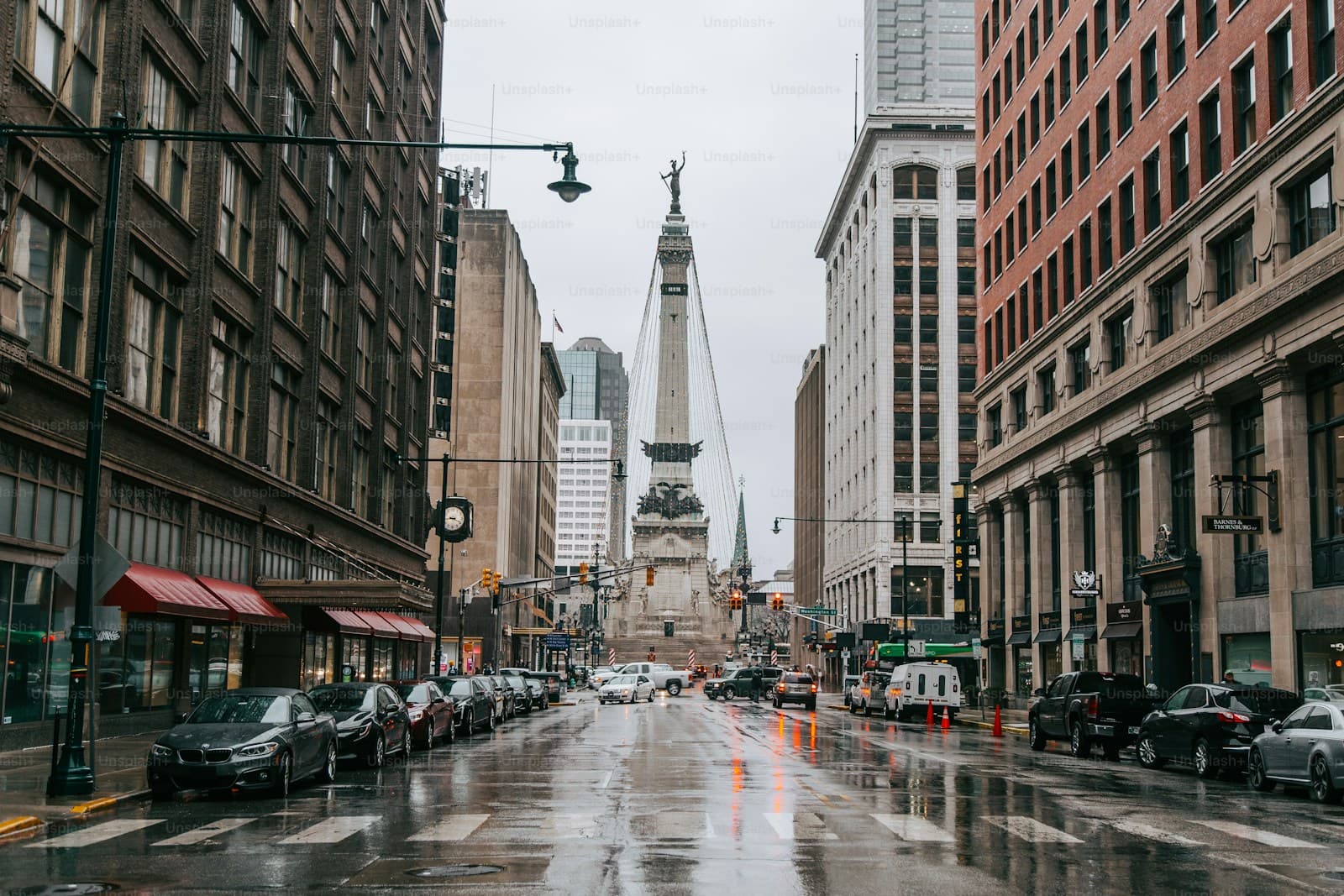
Meeting the state minimum keeps you legal. See whether it's enough — get your Indiana quote.
Get your Indiana quoteHow Much Does Car Insurance Cost in Indiana?
Teen driver rates in Indiana are driven by the state's actuarial data showing drivers under 20 have accident rates 2–3 times higher than adults, combined with the cost of graduated licensing compliance and vehicle choice. Indianapolis-area parents typically see higher increases than those in rural counties due to higher repair costs, theft rates, and traffic density. Stacking a good student discount (15–25% off), telematics program (10–20% off), and driver training discount (5–15% off) can reduce a teen's portion of the premium by 30–40%.
What Affects Your Rate
- Good student discount: 15–25% off for maintaining a B average or 3.0 GPA. Parents must request this discount and provide a report card or transcript — it's not automatically applied.
- Telematics programs: 10–20% off for safe driving behavior tracked via smartphone app or plug-in device. Indiana teen drivers using telematics see average savings of $300–$600 annually if they avoid hard braking, speeding, and late-night driving.
- Driver training discount: 5–15% off for completing an approved defensive driving course. Indiana BMV recognizes several accredited programs — ask your insurer which courses qualify before enrolling.
- Vehicle type and age: A 16-year-old added to a policy covering a 2015 Honda Civic pays 20–30% less than one covering a 2022 Ford F-150. Older vehicles with liability-only coverage cost significantly less to insure than newer vehicles requiring full coverage.
- Add-to-parent vs. separate policy: Adding a teen to a parent's policy is almost always cheaper in Indiana — often by $100–$200/mo — because the teen benefits from the parent's multi-car, multi-policy, and longevity discounts. A separate policy makes sense only if the parent has a poor driving record or the teen qualifies for a specialized young driver program.
- Location within Indiana: Indianapolis-area families see teen driver increases 15–25% higher than those in smaller cities like Bloomington or Lafayette due to higher traffic density, theft rates, and repair costs.
See what adding a teen driver actually costs in your state
Compare quotes from carriers that offer good student discounts — most parents find savings they didn't know were available.
Get Your Free QuoteCoverage Types
Full Coverage (Liability + Collision + Comprehensive)
Liability plus collision and comprehensive coverage. Required by lenders if the vehicle is financed or leased, and recommended by most parents if the vehicle is worth more than $5,000.
Liability-Only Coverage
Covers only damage and injury your teen causes to others. No coverage for damage to the teen's own vehicle. This is the most affordable option and makes sense for older, paid-off vehicles.
Uninsured/Underinsured Motorist Coverage
Protects your family if your teen is hit by a driver with no insurance or insufficient coverage. Pays for medical bills, lost wages, and vehicle damage that the at-fault driver cannot cover.
Collision Coverage
Pays to repair or replace your teen's vehicle after an at-fault accident, minus the deductible. Required by lenders; optional for paid-off vehicles.
Comprehensive Coverage
Covers non-collision damage: theft, vandalism, weather, fire, and animal strikes. Especially relevant in Indiana due to deer activity and seasonal hail.
Medical Payments Coverage (MedPay)
Pays for medical expenses for you and your passengers after an accident, regardless of fault. Covers costs before health insurance kicks in, including deductibles and copays.