
What Affects Rates in New Haven
- Teen drivers commuting to Cooperative Arts & Humanities High School, Hill Regional Career High School, or jobs in Long Wharf must navigate the I-95/I-91 merge zone near East Shore Park, one of Connecticut's most complex highway interchanges. This interchange sees frequent lane changes, merging traffic from multiple directions, and sudden slowdowns during peak hours, creating elevated crash risk for inexperienced drivers. Parents should consider whether their teen's school or work commute requires highway use or can rely on surface streets like State Street and Grand Avenue.
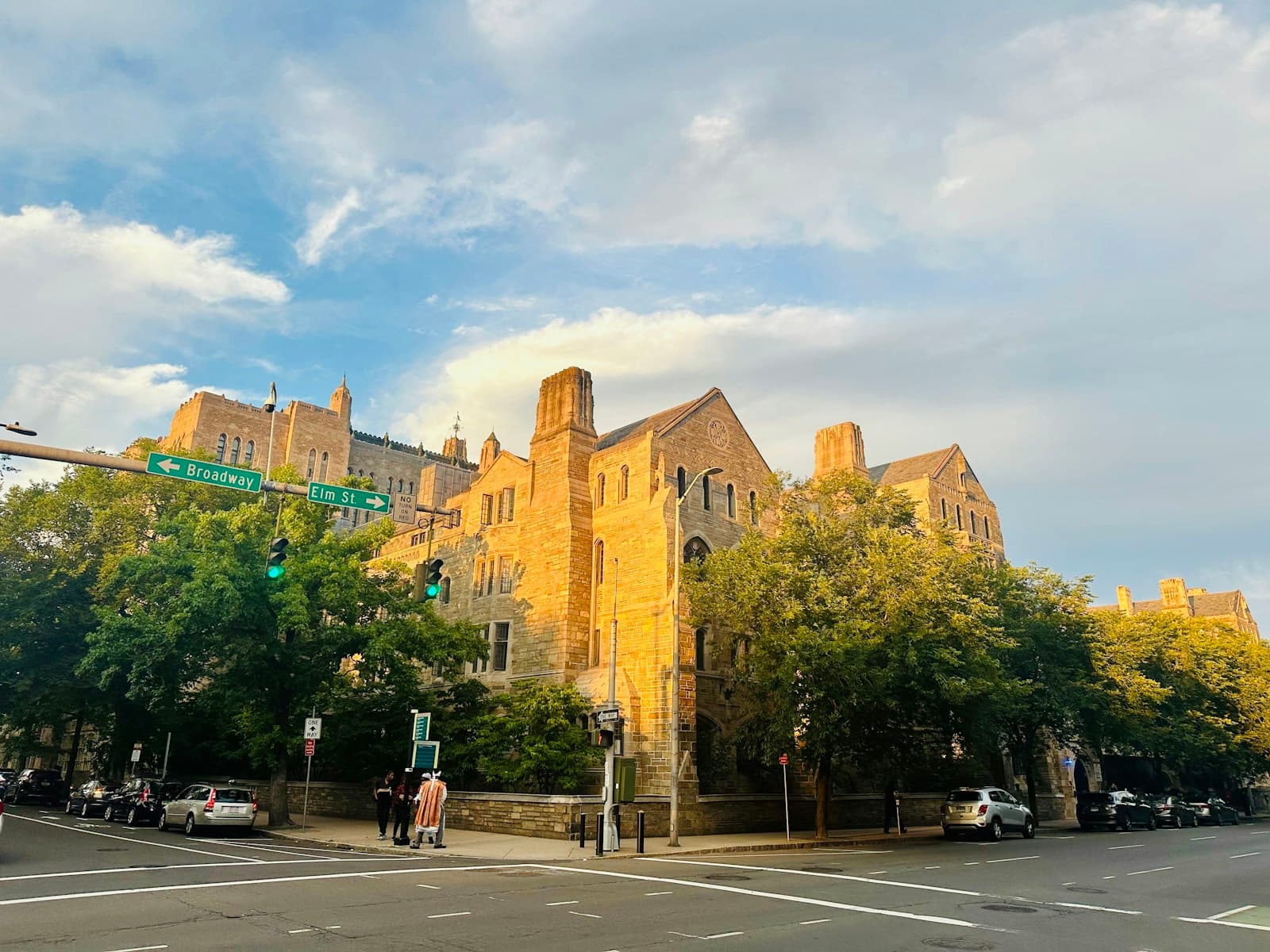
- The streets surrounding Yale University—particularly Chapel Street, York Street, and Whitney Avenue—experience constant pedestrian traffic, delivery vehicles double-parking, and unpredictable cyclist movement that challenge even experienced drivers. Teen drivers attending nearby schools like Wilbur Cross High School or Hill Regional Career encounter these congestion patterns daily, increasing minor collision risk that drives up comprehensive and collision premiums for New Haven families. Insurers price for this urban density when quoting policies for addresses in East Rock, Downtown, and Wooster Square.
- New Haven consistently reports higher vehicle theft rates than suburban Connecticut towns, with Fair Haven, Newhallville, and parts of the Hill neighborhood seeing elevated claims for comprehensive coverage. If your teen drives an older Honda Civic or similar high-theft-target vehicle and parks on-street in these neighborhoods, comprehensive coverage becomes essential despite the teen driver surcharge already straining your budget. Parents in lower-theft neighborhoods like East Rock or Westville may opt for higher comprehensive deductibles to offset the teen driver premium increase.
- New Haven's steep hills in neighborhoods like East Rock and Edgewood become treacherous for inexperienced drivers during winter storms, particularly on Whitney Avenue, Davis Street, and Prospect Street where ice accumulates on inclines. Teen drivers learning in winter months face collision risk on these grades that suburban teens on flatter terrain don't encounter, and insurers factor New Haven's urban topography into loss projections. Parents should assess whether enrolling their teen in winter driving instruction—offered through some Connecticut driving schools—qualifies for additional discounts beyond standard driver training reductions.
- Unlike suburban Connecticut teens who drive extensively for school, activities, and social events, New Haven teens—particularly those in walkable neighborhoods like Downtown, Wooster Square, and East Rock—often drive less due to CT Transit bus access and proximity to schools and jobs. If your teen primarily uses the car for weekend activities rather than daily school commutes, low-mileage discounts and usage-based telematics programs can partially offset New Haven's higher base rates. Track actual mileage for the first three months to determine if programs like Drivewise or Snapshot provide meaningful savings given your teen's urban driving patterns.
See what adding a teen driver actually costs in your state
Compare quotes from carriers that offer good student discounts — most parents find savings they didn't know were available.
Get Your Free QuoteCoverage Recommendations
Cost estimates are based on available industry data and vary by driver profile. These are not insurance quotes.
Liability Insurance
New Haven's dense pedestrian zones around Yale and frequent fender-benders on Chapel Street and Whalley Avenue create elevated liability exposure for inexperienced teen drivers navigating urban traffic.
$$$Estimated range only. Not a quote.
Collision Coverage
Tight parking on New Haven streets, complex intersections at I-95/I-91, and congestion near Wilbur Cross High School make collision coverage critical for teens driving in the Elm City despite the added premium cost.
$$$Estimated range only. Not a quote.
Comprehensive Coverage
New Haven's higher vehicle theft rates in Fair Haven and Newhallville and the risk of tree damage during storms in East Rock make comprehensive essential if your teen's car isn't garaged nightly.
$$Estimated range only. Not a quote.
Uninsured Motorist Coverage
Connecticut requires uninsured/underinsured motorist coverage, and New Haven's urban environment increases the likelihood of multi-vehicle incidents on I-95 or congested city streets where coverage gaps emerge.
$$Estimated range only. Not a quote.
Medical Payments Coverage
Given New Haven's distance from trauma centers for teens involved in serious crashes on I-95 or Route 34, medical payments coverage provides immediate funds while liability determinations unfold.
$Estimated range only. Not a quote.