What Affects Rates in San Francisco
- Teens attending schools like Lowell High School or commuting to part-time jobs in the Financial District navigate Market Street, Van Ness Avenue, and Geary Boulevard — high-frequency accident corridors with rear-end collisions and sideswipe claims from lane changes. Parents should prioritize collision coverage even for older vehicles if teens regularly drive these routes during peak hours.
- San Francisco's mandatory parallel parking on steep hills with tight street spaces leads to higher collision claim rates for inexperienced drivers — bumper damage, scraped panels, and roll-back incidents are common. Comprehensive and collision coverage become more cost-justified in neighborhoods like Russian Hill and Nob Hill where street parking is the only option for teen drivers.
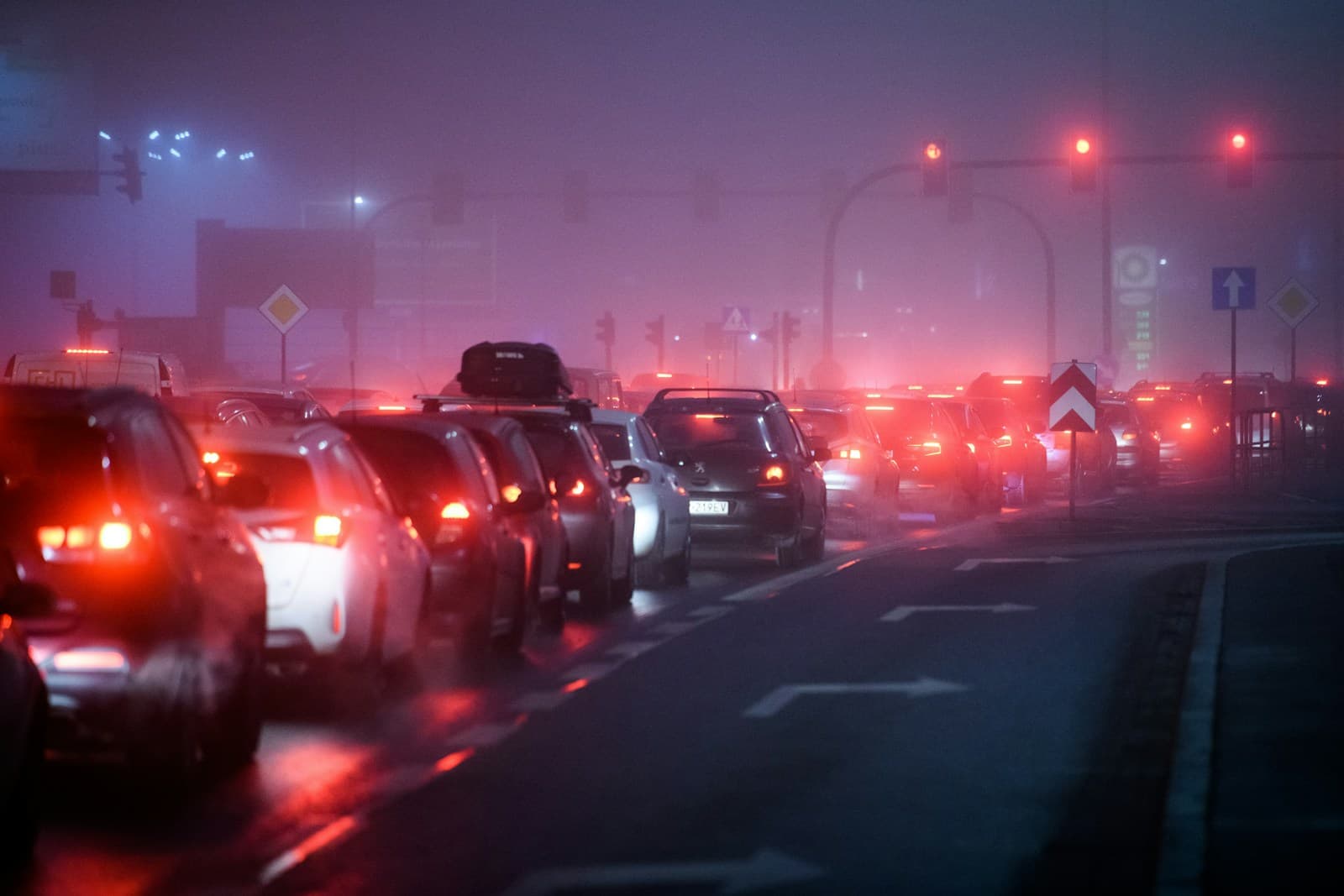
- Teens driving across the city encounter sudden visibility changes — clear skies in the Mission can turn to dense fog on Twin Peaks or approaching the Golden Gate Bridge within minutes. The 19th Avenue corridor through the Sunset District experiences persistent morning fog that reduces teen driver reaction time and increases rear-end collision risk during school commutes.
- Unlike suburban California teens who rack up highway miles, San Francisco teens often drive shorter distances at lower speeds through congested surface streets — which can mean fewer severe accidents but more frequent low-speed parking and intersection claims. This claim pattern makes lower deductibles on collision coverage more valuable than in suburban markets where claims are less frequent but higher severity.
- San Francisco's Muni bus and light rail network means some teens drive only occasionally rather than daily — parents should ask carriers about usage-based telematics programs that reward low annual mileage, potentially reducing premiums by 10–20% if a teen primarily uses public transit for school and drives only on weekends.
See what adding a teen driver actually costs in your state
Compare quotes from carriers that offer good student discounts — most parents find savings they didn't know were available.
Get Your Free QuoteCoverage Recommendations
Cost estimates are based on available industry data and vary by driver profile. These are not insurance quotes.
Liability Insurance
San Francisco's pedestrian-heavy intersections near Powell Street BART and the Embarcadero increase teen driver liability exposure — many parents raise bodily injury limits to 100/300 given the risk of injuring pedestrians or cyclists in crosswalks.
$$Estimated range only. Not a quote.
Collision Coverage
Highly recommended even for older vehicles in San Francisco due to frequent parking claims on hills, tight garage clearances in neighborhoods like North Beach, and stop-and-go rear-end collisions on Lombard Street and 19th Avenue.
$$$Estimated range only. Not a quote.
Comprehensive Coverage
Essential for San Francisco teens parking on streets in the Mission, Tenderloin, or SoMa where broken window claims and catalytic converter theft rates are high — parents often choose lower deductibles given claim frequency.
$$Estimated range only. Not a quote.
Uninsured Motorist Coverage
San Francisco's urban uninsured motorist rate and hit-and-run frequency in crowded parking areas make this coverage a cost-effective addition — especially for teens driving in high-traffic areas like the Richmond District or along the Embarcadero.
$Estimated range only. Not a quote.