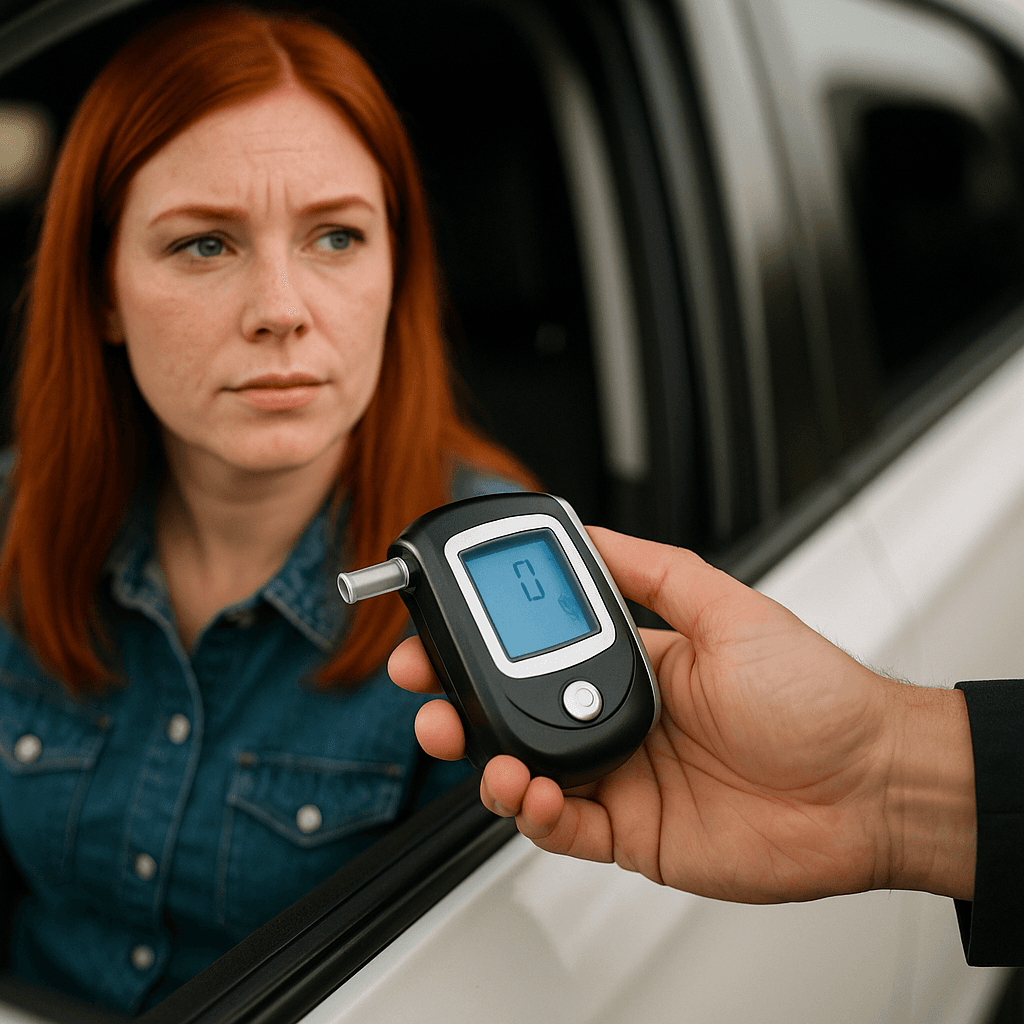
If your teen has been charged with DUI, you're facing not just the immediate legal and insurance consequences, but a three-year SR-22 filing requirement that will triple or quadruple your family's premium — and in most states, you'll be required to add them to your policy even if they no longer drive.
What an SR-22 Filing Means After a Teen DUI
An SR-22 is not insurance — it's a certificate your insurance company files with your state's DMV proving you carry at least the state minimum liability coverage. When a teen driver is convicted of DUI (or in some states, refused a breathalyzer test), the court or DMV typically requires them to maintain an SR-22 filing for three years before their license can be fully reinstated. The filing itself costs $15–$50 as a one-time or annual fee depending on the carrier, but the real cost is what it does to your insurance rates.
Because SR-22 is required only after serious violations — DUI, reckless driving, driving without insurance, or multiple at-fault accidents — carriers treat it as a flag for high-risk drivers. Adding a 16- or 17-year-old with a DUI and SR-22 requirement to a parent's policy typically increases the annual premium by $4,000–$8,000 depending on the state, the parent's current rate, and the carrier's appetite for high-risk teen drivers. In high-cost states like Michigan, Florida, or California, the increase can exceed $10,000 annually.
The SR-22 filing period begins the day your carrier submits the certificate to the DMV and continues for the full required period — typically three years — without any lapse in coverage. If your policy cancels for nonpayment or you switch carriers without ensuring continuous SR-22 filing, the clock resets and you start the three-year period over from day one. This is the most common and costly mistake families make during the SR-22 period.
Whether You Can Remove the Teen From Your Policy During SR-22
Most states require the SR-22 to be attached to an active auto insurance policy, which means the teen must remain listed on someone's policy even if they surrender their license, stop driving, or move away for college. You cannot exclude them as a driver and maintain the SR-22 — the filing certifies that the named individual has active coverage meeting state minimums. If you exclude your teen from your policy, the carrier will not file or maintain the SR-22, the DMV will be notified of the lapse, and your teen's license reinstatement timeline resets.
Some parents attempt to purchase a separate non-owner SR-22 policy for the teen, which provides liability-only coverage when driving a vehicle they don't own. This can work if the teen is not driving a household vehicle and you can exclude them from your own policy under your carrier's rules. However, non-owner SR-22 policies for teen drivers are expensive — typically $1,200–$3,000 annually — and not all carriers offer them to drivers under 18. If the teen lives in your household and has access to a vehicle, most carriers will require them to be listed on your standard policy regardless of whether they claim to be driving.
The only scenario where you can avoid listing the teen entirely is if they move out of your household, have no access to your vehicles, and purchase their own SR-22 policy in their own name. Even then, expect annual premiums of $3,000–$6,000 for a teen driver with a DUI and SR-22 requirement shopping the non-standard or high-risk market.
See what adding a teen driver actually costs in your state
Compare quotes from carriers that offer good student discounts — most parents find savings they didn't know were available.
Get Your Free Quote✓ Good Student Discounts✓ No Obligation✓ Licensed Carriers✓ All 50 States
How Long SR-22 Affects Rates and When They Drop
The SR-22 filing requirement lasts three years in most states, but the DUI conviction itself remains on the teen's driving record for 5–10 years depending on state law. During the three-year SR-22 period, you'll be locked into non-standard or high-risk carriers who specialize in SR-22 filings — standard carriers like State Farm, Geico, or Progressive may drop your policy entirely or refuse to renew once the SR-22 is filed. Non-standard carriers charge significantly higher base rates even before adding a teen driver, so you're facing premium increases from two directions: the high-risk carrier surcharge and the teen DUI surcharge stacked on top.
Once the three-year SR-22 period ends without any further violations or lapses, the filing requirement drops and you can begin shopping standard carriers again. However, the DUI conviction is still visible on the teen's record and will continue to generate a surcharge — typically 50–100% above the standard teen driver rate — for the remainder of the lookback period. Most carriers use a three- to five-year lookback window for violations, meaning a DUI at age 16 will affect rates until at least age 19–21 even after the SR-22 filing expires.
The fastest path to rate reduction is maintaining continuous coverage without any lapses, adding no additional violations, and waiting for both the SR-22 period and the violation lookback period to expire. There are no good student discounts, telematics programs, or driver training courses that will offset a DUI and SR-22 filing during the active filing period — carriers view the violation as disqualifying regardless of other favorable factors.
What Coverage You're Required to Carry With SR-22
SR-22 filing requires you to carry at least your state's minimum liability coverage — typically 25/50/25 in most states, meaning $25,000 per person for bodily injury, $50,000 per accident, and $25,000 for property damage. You are not required to carry collision or comprehensive coverage to maintain the SR-22, even if your teen is driving a financed vehicle. However, if the vehicle has a loan or lease, the lender will require full coverage regardless of the SR-22 filing, and dropping collision or comprehensive will trigger a lender-placed insurance policy at an even higher cost.
Most parents facing SR-22 filing for a teen driver reduce coverage to state minimums on older vehicles to control costs, especially if the teen's car is paid off and worth less than $5,000. Collision and comprehensive coverage on a 10-year-old sedan might add $800–$1,500 annually to a policy that's already costing $6,000–$10,000, and the deductible is often higher than the vehicle's actual cash value. If the teen wrecks the car, you're unlikely to receive a payout that justifies the premium.
However, liability coverage at state minimums exposes your family to significant financial risk if your teen causes a serious accident. A single accident resulting in $100,000 in medical bills and your policy only covers $50,000 means you're personally liable for the remaining $50,000. Many parents increase liability limits to 100/300/100 even while dropping collision and comprehensive — the additional cost is typically $200–$400 annually and provides meaningful protection against a catastrophic claim that could result in wage garnishment or asset seizure.
State-Specific SR-22 Rules and Teen Licensing Restrictions
SR-22 filing requirements, costs, and duration vary significantly by state, and many states impose additional penalties on teen drivers convicted of DUI beyond the standard SR-22 period. In California, a DUI conviction for a driver under 21 results in a one-year license suspension, followed by a three-year SR-22 filing requirement and enrollment in a court-mandated DUI program that costs $500–$1,800. In Florida, a first DUI for a driver under 21 results in a six-month to one-year license suspension, ignition interlock device requirement, and three-year SR-22 filing — and Florida is a no-fault state, meaning you'll also be paying personal injury protection (PIP) premiums at high-risk rates.
Graduated licensing laws in most states include zero-tolerance alcohol provisions for drivers under 21, meaning a teen can be charged with DUI at blood alcohol levels as low as 0.02% — well below the 0.08% threshold for adult drivers. In states like Virginia, a minor convicted of DUI faces a one-year license suspension, mandatory alcohol education, and a three-year SR-22 filing, but also loses eligibility for a restricted license during the suspension period, meaning they cannot drive to school or work under any circumstances. In Texas, a first DUI offense for a minor results in a 60-day license suspension, 20–40 hours of community service, alcohol awareness classes, and a two-year SR-22 requirement, with costs often exceeding $5,000 when legal fees, fines, and insurance increases are combined.
Some states allow hardship or restricted licenses during the suspension period if the teen needs to drive for school, work, or medical appointments, but the SR-22 filing must be active before the restricted license is issued. This means you'll be paying high-risk insurance premiums even while your teen is legally prohibited from driving in most circumstances. Check your state DMV website for the specific SR-22 duration, suspension period, and reinstatement requirements — these timelines are strictly enforced and missing a deadline can add months to the process.
What Happens If You Let the SR-22 Lapse
If your insurance policy cancels, lapses, or you switch carriers without ensuring the new carrier files an SR-22 immediately, your current carrier is required to notify the DMV within 10–30 days depending on state law. The DMV will then suspend the teen's license (or delay reinstatement if already suspended) and restart the SR-22 filing clock from zero. A lapse of even one day is treated the same as a lapse of six months — the entire three-year period begins again once continuous coverage is restored.
This rule catches many families off guard when they switch carriers to save money or when a policy cancels due to nonpayment. If you're switching from Carrier A to Carrier B, Carrier B must file the SR-22 on the same day or before Carrier A's policy ends. Most carriers require 3–10 business days to process and file an SR-22 certificate, so you cannot wait until the last day of your current policy to bind new coverage. The safest approach is to bind the new policy with an effective date 7–10 days before your current policy expires, confirm the new carrier has filed the SR-22 with the DMV, and only then cancel the old policy.
If your policy does lapse and the DMV suspends the teen's license again, reinstatement requires paying a suspension lift fee ($50–$250 depending on the state), purchasing a new policy with SR-22 filing, waiting for the carrier to submit the certificate to the DMV, and beginning the three-year clock again. Many families end up adding 6–18 months to the total SR-22 timeline due to lapses caused by nonpayment, carrier non-renewal, or switching without proper coordination.